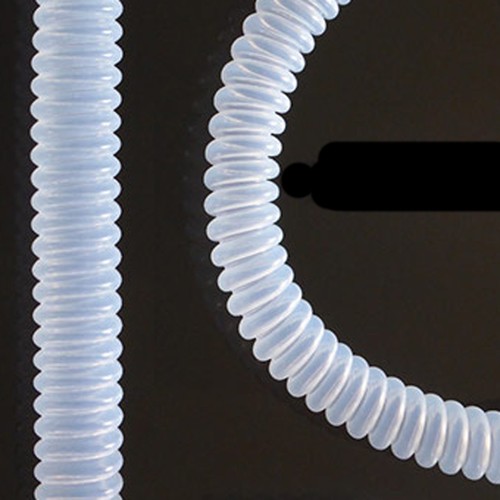
Food Hoses Designed as Beverage Hoses, Drinking Water Hoses, Pharma Hoses, Steam Hoses, Vacuum Hoses, Corrugated Hoses, as well as Suction and Pressure Hoses
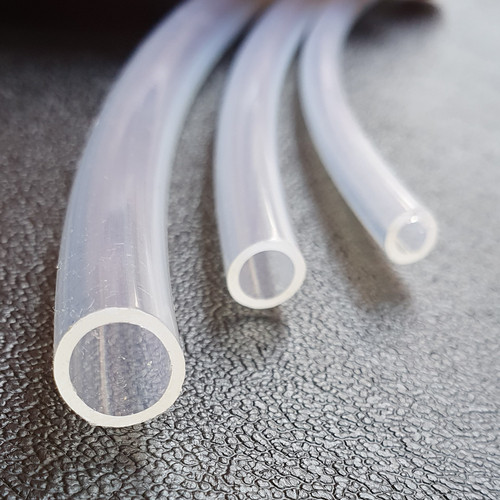
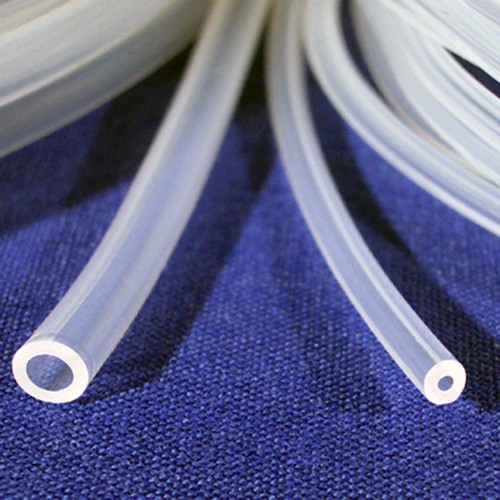
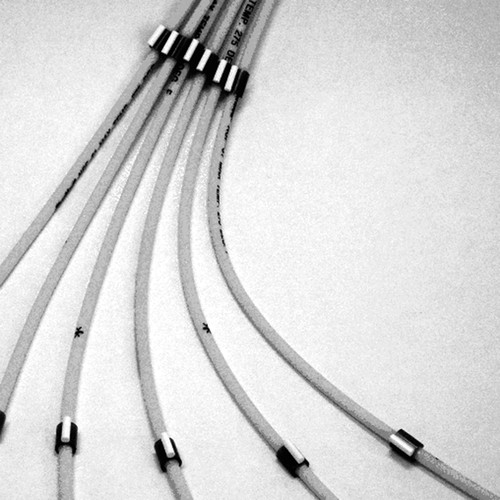
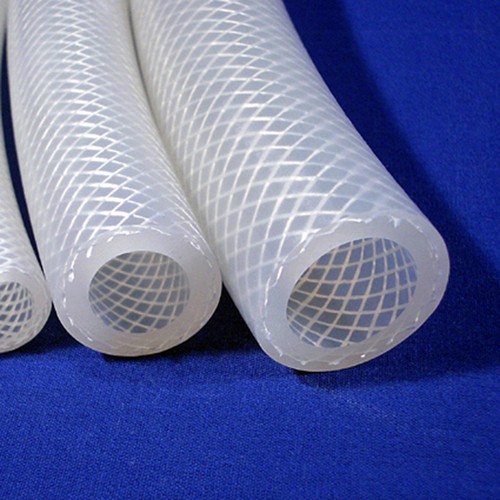
Food hoses are essential components for the hygienic conveyance of beverages, drinking water, and liquid foodstuffs. They are manufactured in accordance with the specifications of the European Pharmacopoeia and meet the strict requirements of BfR and FDA compliance. The range of food hoses includes vacuum tubing, corrugated pipes, steam lines, suction and pressure designs, as well as drinking water variants, food-grade tubing, and beverage lines, including beer, wine, and soft drink variants. Food hoses allow for a wide selection of materials tailored to the actual application; products are available in plastics such as Tygon, TPE, silicone (THOMASIL), PVC (THOMAVINYL), PTFE (THOMAPREN), NBR (Perbunan), as well as LLDPE, LDPE, FEP, and EPDM/PP (Santoprene, Norprene, THOMAPREN), as well as EPDM.
Chemical Resistance of Plastics/Elastomers Used for Manufacturing Food Hoses
- EPDM/PP (Santoprene/THOMAPREN/Norprene/PharmMed)
EPDM/PP is resistant to alcohols, diluted acids, and diluted alkalis.
- FEP (Fluorinated Ethylene Propylene/Hostaflon® FEP)
FEP is resistant to petrol and other aliphatic hydrocarbons, benzene, xylene and other aromatic hydrocarbons, phenols, halogenated solvents, esters, ketones, formaldehyde, alkaline solutions, ammonia solutions and aliphatic amines, aniline and pyridine, mineral acids and organic acids, hot water, hydrogen peroxide, UV radiation, and radioactive radiation.
FEP is not resistant to free alkali metals!
- LDPE (Low-Density Polyethylene)
This material is resistant to lubricants, fats, oils, petrol, aliphatic hydrocarbons, alcohols, esters, ketones, organic acids, mineral acids, and hot water.
- NBR (Nitrile Rubber/Perbunan®)
NBR is resistant to alcohols, aliphatic hydrocarbons, petrol, diesel fuels/diesel oil, hydraulic fluids, mineral oils and fats, diluted acids, alkalis, and hot water.
- PTFE (Polytetrafluoroethylene/THOMAFLON)
PTFE is resistant to almost all organic and inorganic media, including lubricants, petrol, aliphatic hydrocarbons, benzene, xylene, aromatic hydrocarbons, phenols, halogenated solvents, free halogens, esters, ketones, alkaline solutions, ammonia, organic acids and mineral acids, as well as ozone, hydrogen peroxide and other oxidising agents, hot water, steam, and UV radiation.
PTFE is not resistant to free alkali metals and fluorine.
- PUR (Polyurethane/Vulkollan®)
PUR demonstrates excellent resistance to oils and fats, petrol, aliphatic hydrocarbons, ozone, UV radiation, and ionising radiation.
PUR has limited resistance to aromatic hydrocarbons, halogenated solvents, acids, and alkalis.
- PVC (Polyvinyl Chloride/THOMAVINYL)
PVC is resistant to diluted acids and alkalis as well as fuels; when specially conditioned, PVC also shows extended resistance.
- Silicone (Silicone Rubber/THOMASIL)
Silicone rubber is resistant to aliphatic hydrocarbons, aromatic hydrocarbons, fuels, alkalis, hot water, steam, UV radiation, and weathering.
The material has limited resistance to ketones and alcohols.
- Tygon (Cross-Linked PVC)
This material is resistant to acids and alkalis as well as fuels such as petrol, though in specially conditioned compounds.
Temperature Resistance/Operating Temperatures at a Glance
- EPDM (Ethylene Propylene Diene Rubber)
Temperature range: -35 °C to +95 °C
- EPDM/PP (Ethylene Propylene Diene/Polypropylene)
Temperature range: -50 °C to +140 °C
- FEP (Fluorinated Ethylene Propylene)
Temperature range: -170 °C to +200 °C
- LDPE (Low-Density Polyethylene)
Temperature range: -40 °C to +60 °C
- NBR (Butadiene Acrylonitrile Rubber)
Temperature range: -30 °C to +100 °C, short-term up to +165 °C (with saturated steam)
- PTFE (Polytetrafluoroethylene)
Temperature range: -200 °C to +260 °C
- PUR (Polyurethane)
Temperature range: -25 °C to +60 °C
- PVC (Polyvinyl Chloride)
Temperature range: -10 °C to +60 °C
- Silicone (Silicone Rubber)
Temperature range: -60 °C to +200 °C
- TPE (Thermoplastic Elastomer)
Temperature range: -40 °C to +120 °C
EPDM/PP Hoses
These are pharma hoses and at the same time pump tubing and high-temperature variants; they are marketed as THOMAPREN, Santoprene, and Norprene products. In addition to being resistant to most organic and inorganic media, they are autoclavable and characterised by low gas permeability.
The range of EPDM/PP food hoses for food technology includes:
- EPDM/PP high-performance pressure tubing
- EPDM/PP pump tubing
- EPDM/PP pharma tubing
EPDM Hoses
These types are marketed as beverage hoses for conveying mineral water, fruit juices, and alcoholic beverages; their maximum operating pressure is 12 bar at +20 °C. In contrast, EPDM variants for the highest temperatures and simultaneous pressure loading are also available; temperatures of +164 °C at 6 bar are standard for this type.
FEP Hoses
These are fluoroplastic products for food technology; they are characterised by high chemical resistance, are biocompatible, and free from extractable components. Their operating temperature ranges from -170 °C to +200 °C, with a maximum pressure rating of 34 bar at +20 °C possible, depending on type.
NBR Hoses
These food hoses are suitable for various application areas. Steam variants are available here, which are used as process lines and are ideally suited for conveying hot water and steam; the operating pressure is 30 bar at +20 °C up to I.D. 25 mm, and from I.D. 32 mm an operating pressure of 20 bar at +20 °C applies. The products are food-grade and are characterised by excellent elastic behaviour.
The range of food hoses made from NBR is presented as follows:
- NBR steam hoses
- NBR beverage tubing
- NBR food hoses
- NBR drinking water tubing
- NBR high-pressure lines
PTFE Hoses
These variants are presented as corrugated pipes; they are considered food-grade, are FDA-certified, and consequently approved as food hoses. Their temperature range is between -20 °C and +150 °C, with pressure ratings of 16 bar at +20 °C possible. The products are electrically dissipative/conductive; their dissipation resistance is <109 Ohm.
The range of PTFE variants as food-safe products is as follows:
- PTFE corrugated pipes
- PTFE corrugated pipes with smooth outer jacket
- PTFE corrugated pipes with smooth ends
- PTFE suction and pressure tubing
- PTFE high-pressure lines
PVC Hoses
Food hoses made from this material are presented as food-grade tubing and corrugated pipes, whereby the corrugated variants offer a particularly wide range, as they are available as suction and pressure designs as well as specifically as milk lines, wine lines, and food-grade variants. The temperature range is -10 °C to +60 °C; the operating pressure is 5 to 7 bar at +20 °C depending on type, with vacuum resistance described as 70% at +20 °C.
Silicone Hoses
This type represents classic food hoses that are FDA-compliant and BfR-compliant and meet the requirements of the European Pharmacopoeia. They are soft and extremely flexible and approved for temperatures up to +200 °C; short-term exposure up to +250 °C is also possible. As pump tubing, they are considered tear-resistant and tensile; they are non-toxic, blood-compatible, and free from any extractable components.
The range of food-grade silicone products is as follows:
- Silicone pressure tubing
- Silicone vacuum tubing
- Silicone high-temperature variants
- Silicone pharma tubing
- Silicone food hoses
High-Quality Food Hoses – Reliability for Your Applications
Whether for the food, beverage, or pharmaceutical industry – our food hoses offer the highest quality and safety. They meet the strict requirements of the FDA and BfR, are resistant to numerous media, and are optimised for hygienic use. With a wide selection of materials and specifications, you will find the right solution for your individual requirements. Food-grade products are compatible with fittings for fabric-reinforced hoses (plastic, one-piece), fittings for hoses (metal, one-piece), and one-piece metal hose barbs. Our range is always available from stock, ensuring fast delivery. Use our electronic resistance list to determine the ideal material for your application, or consult our glossary for information on the chemical and physical properties of the materials. Contact us for personal advice by telephone or email – our expert team is happy to assist you in selecting the right components!
Food Hoses Designed as Beverage Hoses, Drinking Water Hoses, Pharma Hoses, Steam Hoses, Vacuum Hoses, Corrugated Hoses, as well as Suction and Pressure Hoses
Food hoses are essential components...
read more »
Close window
Food Hoses Designed as Beverage Hoses, Drinking Water Hoses, Pharma Hoses, Steam Hoses, Vacuum Hoses, Corrugated Hoses, as well as Suction and Pressure Hoses
Food hoses are essential components for the hygienic conveyance of beverages, drinking water, and liquid foodstuffs. They are manufactured in accordance with the specifications of the European Pharmacopoeia and meet the strict requirements of BfR and FDA compliance. The range of food hoses includes vacuum tubing, corrugated pipes, steam lines, suction and pressure designs, as well as drinking water variants, food-grade tubing, and beverage lines, including beer, wine, and soft drink variants. Food hoses allow for a wide selection of materials tailored to the actual application; products are available in plastics such as Tygon, TPE, silicone (THOMASIL), PVC (THOMAVINYL), PTFE (THOMAPREN), NBR (Perbunan), as well as LLDPE, LDPE, FEP, and EPDM/PP (Santoprene, Norprene, THOMAPREN), as well as EPDM.
Chemical Resistance of Plastics/Elastomers Used for Manufacturing Food Hoses
- EPDM/PP (Santoprene/THOMAPREN/Norprene/PharmMed)
EPDM/PP is resistant to alcohols, diluted acids, and diluted alkalis.
- FEP (Fluorinated Ethylene Propylene/Hostaflon® FEP)
FEP is resistant to petrol and other aliphatic hydrocarbons, benzene, xylene and other aromatic hydrocarbons, phenols, halogenated solvents, esters, ketones, formaldehyde, alkaline solutions, ammonia solutions and aliphatic amines, aniline and pyridine, mineral acids and organic acids, hot water, hydrogen peroxide, UV radiation, and radioactive radiation.
FEP is not resistant to free alkali metals!
- LDPE (Low-Density Polyethylene)
This material is resistant to lubricants, fats, oils, petrol, aliphatic hydrocarbons, alcohols, esters, ketones, organic acids, mineral acids, and hot water.
- NBR (Nitrile Rubber/Perbunan®)
NBR is resistant to alcohols, aliphatic hydrocarbons, petrol, diesel fuels/diesel oil, hydraulic fluids, mineral oils and fats, diluted acids, alkalis, and hot water.
- PTFE (Polytetrafluoroethylene/THOMAFLON)
PTFE is resistant to almost all organic and inorganic media, including lubricants, petrol, aliphatic hydrocarbons, benzene, xylene, aromatic hydrocarbons, phenols, halogenated solvents, free halogens, esters, ketones, alkaline solutions, ammonia, organic acids and mineral acids, as well as ozone, hydrogen peroxide and other oxidising agents, hot water, steam, and UV radiation.
PTFE is not resistant to free alkali metals and fluorine.
- PUR (Polyurethane/Vulkollan®)
PUR demonstrates excellent resistance to oils and fats, petrol, aliphatic hydrocarbons, ozone, UV radiation, and ionising radiation.
PUR has limited resistance to aromatic hydrocarbons, halogenated solvents, acids, and alkalis.
- PVC (Polyvinyl Chloride/THOMAVINYL)
PVC is resistant to diluted acids and alkalis as well as fuels; when specially conditioned, PVC also shows extended resistance.
- Silicone (Silicone Rubber/THOMASIL)
Silicone rubber is resistant to aliphatic hydrocarbons, aromatic hydrocarbons, fuels, alkalis, hot water, steam, UV radiation, and weathering.
The material has limited resistance to ketones and alcohols.
- Tygon (Cross-Linked PVC)
This material is resistant to acids and alkalis as well as fuels such as petrol, though in specially conditioned compounds.
Temperature Resistance/Operating Temperatures at a Glance
- EPDM (Ethylene Propylene Diene Rubber)
Temperature range: -35 °C to +95 °C
- EPDM/PP (Ethylene Propylene Diene/Polypropylene)
Temperature range: -50 °C to +140 °C
- FEP (Fluorinated Ethylene Propylene)
Temperature range: -170 °C to +200 °C
- LDPE (Low-Density Polyethylene)
Temperature range: -40 °C to +60 °C
- NBR (Butadiene Acrylonitrile Rubber)
Temperature range: -30 °C to +100 °C, short-term up to +165 °C (with saturated steam)
- PTFE (Polytetrafluoroethylene)
Temperature range: -200 °C to +260 °C
- PUR (Polyurethane)
Temperature range: -25 °C to +60 °C
- PVC (Polyvinyl Chloride)
Temperature range: -10 °C to +60 °C
- Silicone (Silicone Rubber)
Temperature range: -60 °C to +200 °C
- TPE (Thermoplastic Elastomer)
Temperature range: -40 °C to +120 °C
EPDM/PP Hoses
These are pharma hoses and at the same time pump tubing and high-temperature variants; they are marketed as THOMAPREN, Santoprene, and Norprene products. In addition to being resistant to most organic and inorganic media, they are autoclavable and characterised by low gas permeability.
The range of EPDM/PP food hoses for food technology includes:
- EPDM/PP high-performance pressure tubing
- EPDM/PP pump tubing
- EPDM/PP pharma tubing
EPDM Hoses
These types are marketed as beverage hoses for conveying mineral water, fruit juices, and alcoholic beverages; their maximum operating pressure is 12 bar at +20 °C. In contrast, EPDM variants for the highest temperatures and simultaneous pressure loading are also available; temperatures of +164 °C at 6 bar are standard for this type.
FEP Hoses
These are fluoroplastic products for food technology; they are characterised by high chemical resistance, are biocompatible, and free from extractable components. Their operating temperature ranges from -170 °C to +200 °C, with a maximum pressure rating of 34 bar at +20 °C possible, depending on type.
NBR Hoses
These food hoses are suitable for various application areas. Steam variants are available here, which are used as process lines and are ideally suited for conveying hot water and steam; the operating pressure is 30 bar at +20 °C up to I.D. 25 mm, and from I.D. 32 mm an operating pressure of 20 bar at +20 °C applies. The products are food-grade and are characterised by excellent elastic behaviour.
The range of food hoses made from NBR is presented as follows:
- NBR steam hoses
- NBR beverage tubing
- NBR food hoses
- NBR drinking water tubing
- NBR high-pressure lines
PTFE Hoses
These variants are presented as corrugated pipes; they are considered food-grade, are FDA-certified, and consequently approved as food hoses. Their temperature range is between -20 °C and +150 °C, with pressure ratings of 16 bar at +20 °C possible. The products are electrically dissipative/conductive; their dissipation resistance is <109 Ohm.
The range of PTFE variants as food-safe products is as follows:
- PTFE corrugated pipes
- PTFE corrugated pipes with smooth outer jacket
- PTFE corrugated pipes with smooth ends
- PTFE suction and pressure tubing
- PTFE high-pressure lines
PVC Hoses
Food hoses made from this material are presented as food-grade tubing and corrugated pipes, whereby the corrugated variants offer a particularly wide range, as they are available as suction and pressure designs as well as specifically as milk lines, wine lines, and food-grade variants. The temperature range is -10 °C to +60 °C; the operating pressure is 5 to 7 bar at +20 °C depending on type, with vacuum resistance described as 70% at +20 °C.
Silicone Hoses
This type represents classic food hoses that are FDA-compliant and BfR-compliant and meet the requirements of the European Pharmacopoeia. They are soft and extremely flexible and approved for temperatures up to +200 °C; short-term exposure up to +250 °C is also possible. As pump tubing, they are considered tear-resistant and tensile; they are non-toxic, blood-compatible, and free from any extractable components.
The range of food-grade silicone products is as follows:
- Silicone pressure tubing
- Silicone vacuum tubing
- Silicone high-temperature variants
- Silicone pharma tubing
- Silicone food hoses
High-Quality Food Hoses – Reliability for Your Applications
Whether for the food, beverage, or pharmaceutical industry – our food hoses offer the highest quality and safety. They meet the strict requirements of the FDA and BfR, are resistant to numerous media, and are optimised for hygienic use. With a wide selection of materials and specifications, you will find the right solution for your individual requirements. Food-grade products are compatible with fittings for fabric-reinforced hoses (plastic, one-piece), fittings for hoses (metal, one-piece), and one-piece metal hose barbs. Our range is always available from stock, ensuring fast delivery. Use our electronic resistance list to determine the ideal material for your application, or consult our glossary for information on the chemical and physical properties of the materials. Contact us for personal advice by telephone or email – our expert team is happy to assist you in selecting the right components!