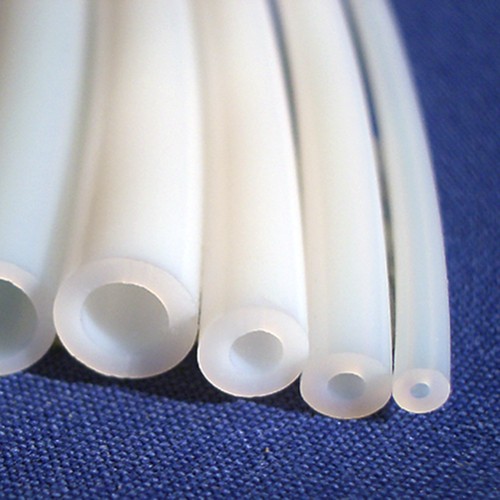
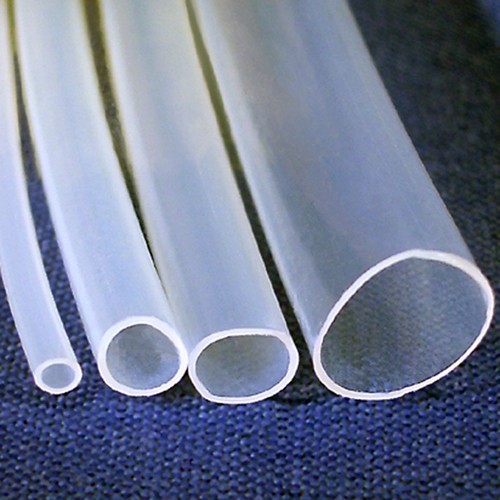
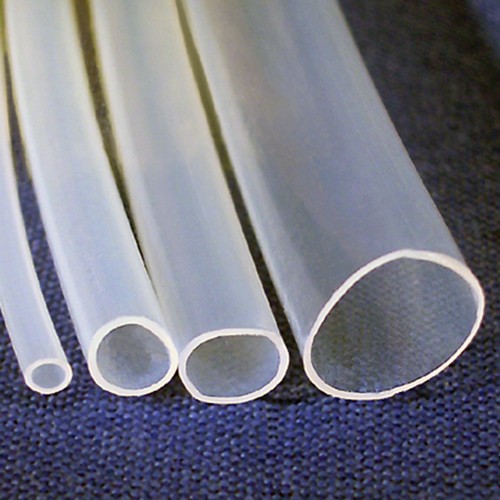
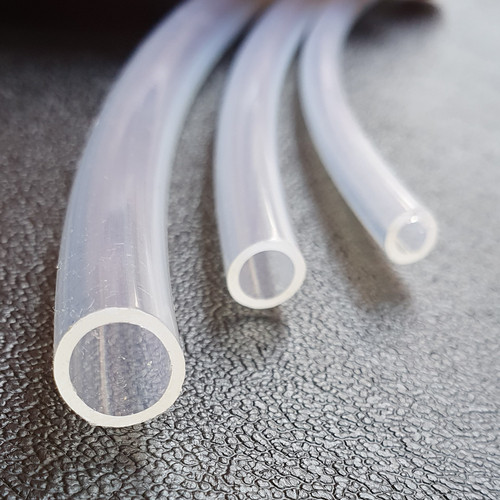
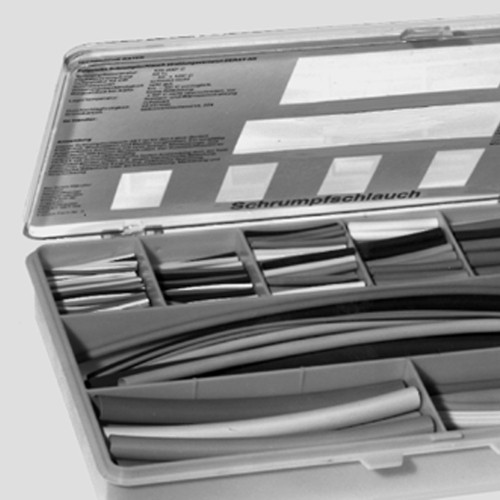
Insulating Hoses made of Elastomers and Plastics for Enhanced Safety
Insulating hoses are essential components in modern engineering, providing protection against thermal, electrical, and mechanical influences. They serve to insulate against heat or cold, offer electrical protection, and shield from moisture and other environmental factors.
Main Application Areas of Insulating Hoses
- Thermal insulation in process engineering (−260°C to +450°C)
- Electrical insulation in electrical and drive engineering
- Protection of cables and wires in machinery and plant construction
- Insulation in medical and laboratory technology
- Chemical protection in aggressive environments
- Moisture protection in outdoor applications
This broad range of applications requires different materials with specific properties such as temperature resistance, chemical resistance, and mechanical strength. From flexible silicone options to high-performance PTFE varieties, each material offers distinct advantages for particular uses.
Insulating Hose Materials
- FEP (Fluorinated ethylene propylene, Hostaform® FEP)
Resistant to petrol, aliphatic hydrocarbons, benzene, xylene and other aromatic hydrocarbons, phenols, halogenated solvents, esters, ketones, formaldehyde, alkaline solutions, aniline, pyridine, mineral acids, organic acids, hydrogen peroxide as well as UV radiation and radioactive radiation.
- PTFE (Polytetrafluoroethylene / THOMAFLON)
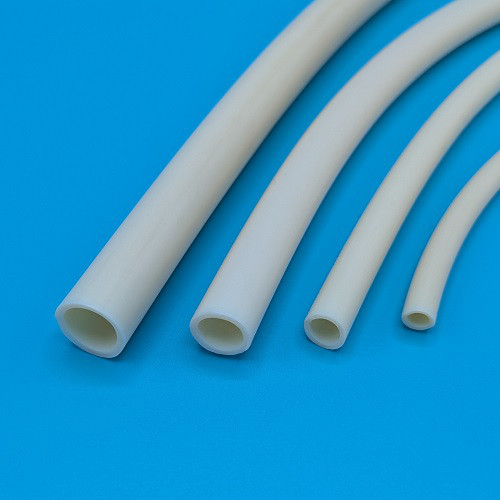
Resistant to almost all inorganic and organic media, including lubricants, petrol, and other aliphatic hydrocarbons, benzene, xylene and other aromatic hydrocarbons, phenols, halogenated solvents, free halogens, esters, ketones, alkaline solutions, ammonia and amines, organic acids, mineral acids, oxidising agents such as hydrogen peroxide and ozone, hot water and steam, as well as UV radiation.
PTFE is unstable against fluorine, free alkali metals, and high-energy radioactive radiation.
- PUR (Polyurethane / Vulkollan®)
Exhibits excellent resistance to lubricants, petrol, and other aliphatic hydrocarbons, organic acids, and mineral acids, alkaline solutions, and amines, as well as hot water. PUR is conditionally resistant to benzene, xylene, and other aliphatic hydrocarbons, as well as esters and ketones and oxidising acids, such as nitric acid.
- PVC (Polyvinyl chloride / THOMAVINYL)
Resistant to lubricants, aliphatic hydrocarbons, organic acids, mineral acids, alkaline solutions, and amines, as well as hot water. PVC shows conditional resistance to benzene, xylene, and other aromatic hydrocarbons, esters and ketones, oxidising acids such as nitric acid, and UV radiation.
- PVDF (Polyvinylidene fluoride / Kynar®, Solef®)
A fluoropolymer resistant to petrol and other aliphatic hydrocarbons, halogenated solvents, ammonia, aliphatic amines, aniline, organic acids, mineral acids, hydrogen peroxide, hot water, and UV radiation.
Conditionally resistant to petrol, aliphatic hydrocarbons, benzene, xylene, other aromatic hydrocarbons, and phenols.
- SBR (Styrene-butadiene rubber / Buna®)
Resistant to aliphatic hydrocarbons, aromatic hydrocarbons, acids, and alkalis, hot water, steam, and UV radiation.
Conditionally resistant to alcohols and ketones.
- Silicone (Silicone rubber / THOMASIL)
Offers resistance to aliphatic hydrocarbons, aromatic hydrocarbons, fuels such as petrol, acids, and alkalis, hot water, steam, and UV radiation.
Conditionally resistant to alcohols and ketones.
Temperature Resistance at a Glance
- FEP (Hostaform® FEP)
−170°C to +200°C
- Polyolefin
−55°C to +125°C
- PTFE (THOMAFLON)
−260°C to +260°C, short-term +280°C
- PUR (Vulkollan®)
−10°C to +60°C
- PVC (THOMAVINYL)
−20°C to +80°C, short-term +100°C
- PVDF (Solef® / Kynar®)
−30°C to +150°C, short-term +160°C
- SBR (Buna®)
−30°C to +80°C
- Silicone (THOMASIL)
−60°C to +300°C
Insulating Hoses in Practical Use
Practical applications often require careful material selection based on specific needs. Besides temperature resistance and chemical resistance, factors such as flexibility, shrinkage behaviour, and processability are also important. In industrial use, heat-shrink and cable protection options have proven particularly useful, manufactured from a range of materials depending on the application.
- Heat-shrink
- FEP insulation
- Polyolefin insulation
- PTFE insulation
- PVDF insulation
Cable Protection Hoses as Insulating Hoses
For optimal protection of cables and wires, various specialized insulating hoses are used. These differ not only in their material properties but also in their design and construction. While some primarily provide mechanical protection, others also offer thermal or chemical resistance. The selection depends on specific requirements like temperature load, bending radius, or necessary chemical resistance.
These include:
- FEP chemical
- Glass-fibre fabric
- Heat protection
- Glass-silk
- PTFE chemical
- PTFE capillary
- PUR insulation
- PVC electrical insulation
- SBR cable protection
- Silicone high-temperature
- Silicone insulation
Insulating Hose: Characteristics, Types, and Applications
As a specialist in hose technology, Reichelt Chemietechnik offers a comprehensive range of insulating hoses for laboratory, chemical, and industrial applications. These protection hoses meet various thermal, electrical, and chemical resistance needs.
FEP Technology
FEP chemical hoses stand out with their high temperature resistance from −170°C to +200°C and dielectric strength of 5.5 kV/mm. As heat-shrink versions, they also offer electrical breakdown resistance of <2,000 V/mm, making them ideal for protecting cables, wires, and tubes.
Glass-Fabric Innovations
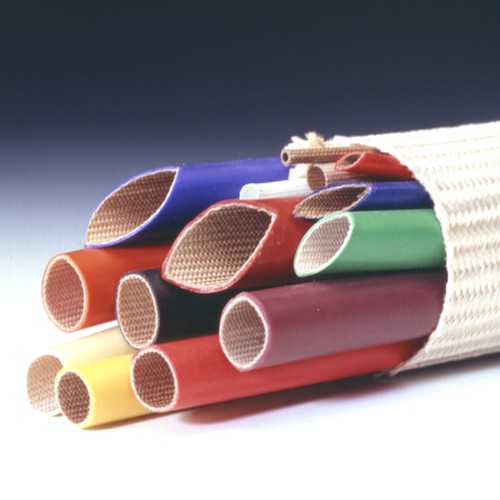
Glass-fabric hoses, available with acrylic-lacquer or silicone-rubber coatings, are specifically designed for machinery, transformers, and motor construction. With an electrical breakdown strength of 9.0 kV (according to UL 1441) and temperature resistance up to +155°C (acrylic version) or −70°C to +235°C (silicone version), they provide optimal protection.
PTFE Solutions
PTFE chemical hoses offer extreme temperature resistance (−200°C to +260°C, short-term +280°C) and universal chemical resistance. As heat-shrink options with shrink ratios of 2:1 and 4:1, they offer excellent corrosion protection and insulation for electrical components.
Polyurethane and PVC PUR insulation hoses offer flexible solutions with low thermal conductivity and UV resistance (fire protection class B1). PVC insulation hoses offer excellent electrical properties with a breakdown resistance of 30 kV/mm.
Special Versions
- PVDF heat-shrink (−55°C to +175°C)
- SBR cable protection for cable bundling
- Silicone insulation (−50°C to +200°C)
- Silicone thermal (−60°C to +200°C)
Our complete range includes insulation options made of FEP, glass-silk, polyolefin, PTFE, PUR, PVC, PVDF, SBR, and silicone. With decades of experience, we are happy to advise you on selecting the optimal insulating hose for your specific application.
Thermal Insulation Hoses
Thermal insulation protects against heat or cold from radiating to the environment, helping to minimize energy loss. Full thermal insulation is physically unachievable, but practical insulation solutions can come close to full protection. The same applies to cold insulation.
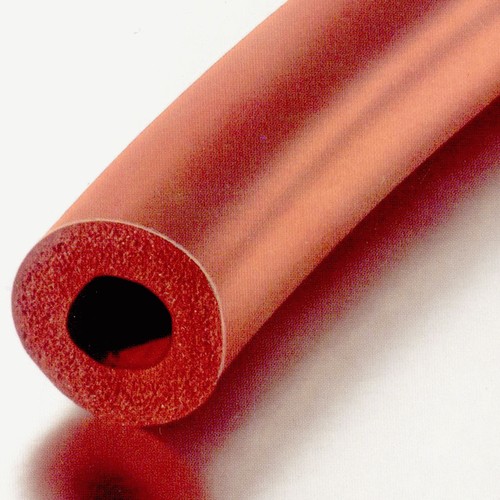
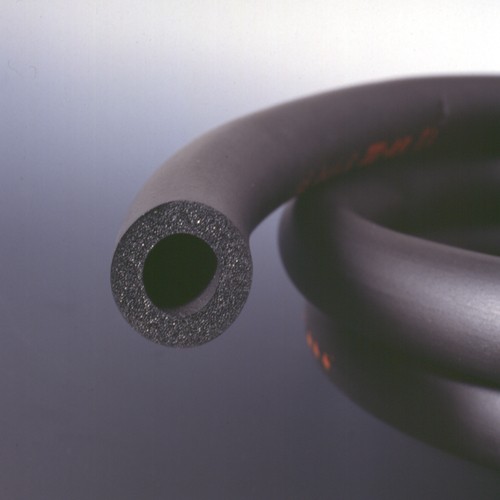
In laboratory and technical applications, thermal protection for pipelines is often necessary, for example, for heating lines of circulation thermostats or cooling lines of cryostats. Highly effective thermal insulation hoses made from soft, foamed plastics such as polyurethane (PUR) or silicone rubber are commonly used.
PUR insulation hoses are extremely flexible synthetic rubber hoses with low thermal conductivity and can be used between −20°C and +80°C. Silicone insulation hoses offer even higher thermal resistance, ranging from −50°C to +200°C. Glass-fibre hose with silicone coating can even be used up to +300°C short-term and is also used as a high-temperature electrical insulation option.
The highest temperature resistance is achieved by glass-silk heat protection hoses. These are ceramic-impregnated glass-silk braids suitable for use up to +450°C, providing outstanding heat and touch protection with high mechanical stability.
PVC Electrical Insulation Hose — The Classic Solution for Cable Protection
Electrical insulation hoses made of elastomers are indispensable for securing live, unprotected conductors against contact or short circuits in work and production areas. They serve both as direct protection for cables and safety for workers. PVC insulation hoses are commonly used for insulating electrical conductors up to the low-voltage range (AC 1 kV / DC 1.5 kV). Soft-PVC insulation hoses achieve a dielectric strength of at least 20 kV/mm (IEC 243). According to insulation class Y (VDE 0530), PVC insulation hoses are suitable for continuous use between −20°C and +95°C. They are widely used in automotive, electrical, and mechanical engineering for cable protection and bundling.
For higher requirements, especially increased temperature resistance and better weather resistance compared to PVC hoses, polyfluoro-olefin electrical insulation hoses are used — primarily PTFE insulation hoses. In most cases, standard PTFE hoses can serve as insulation options due to their dielectric strength (>20 kV/mm) and high-temperature resistance up to +260°C. These can also be used as heat protection options for electrical systems operating at higher temperatures.
Polyfluoro-Olefins such as PTFE, FEP, and PVDF
Hoses made of other polyfluoro-olefins, such as FEP or PVDF, offer similar properties to PTFE hoses. FEP and PVDF electrical insulation hoses can be used in similar applications, although their thermal resistance is noticeably lower than PTFE options.
Silicone Hoses for Special Applications
Silicone hoses are advantageous for electrical insulation where conductors heat up during operation. Silicone insulation hoses are extremely flexible and kink-resistant. Unlike protection options made from polyfluorocarbon materials such as PTFE and PVC, silicone does not release any toxic substances when thermally overloaded. High-temperature silicone hose, as offered by Reichelt Chemietechnik under the label Silicone High-Temperature Chemical Hose, can withstand continuous exposure up to +300°C without loss of strength.
Acrylic-Coated Glass-Fabric Hoses
The range of electrical insulation hoses would be incomplete without mentioning glass-fabric hoses with acrylic-lacquer coating. These are protective hoses for standard applications in the temperature range from −25°C to +155°C. They are available as coloured electrical protection hoses and are used for the electrical insulation of cables, conductors, and connections in motors, transformers, and machine construction.
Corrugated Pipes for Underground Installation
The elastomer protection hoses mentioned above can generally be used as sheathing for electrical cables, for bundling cables, as cable protection or for insulation. However, for underground installation of low-voltage cables, PVC-U corrugated pipes are more suitable due to their high flexibility and exceptional mechanical stability. PVC-U corrugated pipes are free from any plasticisers, which would leach out and cause the material to embrittle under prolonged moisture exposure. Polypropylene (PP) corrugated pipes offer even higher dielectric strength (70–90 kV/mm), significantly expanding their application range.
Application-Oriented Selection
The choice of the appropriate electrical insulation hose depends on various factors:
- Operating voltage
- Temperature load
- Environmental conditions
- Mechanical requirements
- Specific protection needs
Order Insulating Hoses from Reichelt Chemietechnik
At Reichelt Chemietechnik, you can order insulating hoses made from all materials — including heat-shrink insulation options — at competitive prices with professional advice. Our customers from many countries have trusted Reichelt Chemietechnik for more than 30 years for laboratory and industrial supplies. Wide selection, no minimum order value, fair shipping costs.
Close window
Insulating Hoses made of Elastomers and Plastics for Enhanced Safety
Insulating hoses are essential components in modern engineering, providing protection against thermal, electrical, and mechanical influences. They serve to insulate against heat or cold, offer electrical protection, and shield from moisture and other environmental factors.
Main Application Areas of Insulating Hoses
- Thermal insulation in process engineering (−260°C to +450°C)
- Electrical insulation in electrical and drive engineering
- Protection of cables and wires in machinery and plant construction
- Insulation in medical and laboratory technology
- Chemical protection in aggressive environments
- Moisture protection in outdoor applications
This broad range of applications requires different materials with specific properties such as temperature resistance, chemical resistance, and mechanical strength. From flexible silicone options to high-performance PTFE varieties, each material offers distinct advantages for particular uses.
Insulating Hose Materials
- FEP (Fluorinated ethylene propylene, Hostaform® FEP)
Resistant to petrol, aliphatic hydrocarbons, benzene, xylene and other aromatic hydrocarbons, phenols, halogenated solvents, esters, ketones, formaldehyde, alkaline solutions, aniline, pyridine, mineral acids, organic acids, hydrogen peroxide as well as UV radiation and radioactive radiation.
- PTFE (Polytetrafluoroethylene / THOMAFLON)
Resistant to almost all inorganic and organic media, including lubricants, petrol, and other aliphatic hydrocarbons, benzene, xylene and other aromatic hydrocarbons, phenols, halogenated solvents, free halogens, esters, ketones, alkaline solutions, ammonia and amines, organic acids, mineral acids, oxidising agents such as hydrogen peroxide and ozone, hot water and steam, as well as UV radiation.
PTFE is unstable against fluorine, free alkali metals, and high-energy radioactive radiation.
- PUR (Polyurethane / Vulkollan®)
Exhibits excellent resistance to lubricants, petrol, and other aliphatic hydrocarbons, organic acids, and mineral acids, alkaline solutions, and amines, as well as hot water. PUR is conditionally resistant to benzene, xylene, and other aliphatic hydrocarbons, as well as esters and ketones and oxidising acids, such as nitric acid.
- PVC (Polyvinyl chloride / THOMAVINYL)
Resistant to lubricants, aliphatic hydrocarbons, organic acids, mineral acids, alkaline solutions, and amines, as well as hot water. PVC shows conditional resistance to benzene, xylene, and other aromatic hydrocarbons, esters and ketones, oxidising acids such as nitric acid, and UV radiation.
- PVDF (Polyvinylidene fluoride / Kynar®, Solef®)
A fluoropolymer resistant to petrol and other aliphatic hydrocarbons, halogenated solvents, ammonia, aliphatic amines, aniline, organic acids, mineral acids, hydrogen peroxide, hot water, and UV radiation.
Conditionally resistant to petrol, aliphatic hydrocarbons, benzene, xylene, other aromatic hydrocarbons, and phenols.
- SBR (Styrene-butadiene rubber / Buna®)
Resistant to aliphatic hydrocarbons, aromatic hydrocarbons, acids, and alkalis, hot water, steam, and UV radiation.
Conditionally resistant to alcohols and ketones.
- Silicone (Silicone rubber / THOMASIL)
Offers resistance to aliphatic hydrocarbons, aromatic hydrocarbons, fuels such as petrol, acids, and alkalis, hot water, steam, and UV radiation.
Conditionally resistant to alcohols and ketones.
Temperature Resistance at a Glance
- FEP (Hostaform® FEP)
−170°C to +200°C
- Polyolefin
−55°C to +125°C
- PTFE (THOMAFLON)
−260°C to +260°C, short-term +280°C
- PUR (Vulkollan®)
−10°C to +60°C
- PVC (THOMAVINYL)
−20°C to +80°C, short-term +100°C
- PVDF (Solef® / Kynar®)
−30°C to +150°C, short-term +160°C
- SBR (Buna®)
−30°C to +80°C
- Silicone (THOMASIL)
−60°C to +300°C
Insulating Hoses in Practical Use
Practical applications often require careful material selection based on specific needs. Besides temperature resistance and chemical resistance, factors such as flexibility, shrinkage behaviour, and processability are also important. In industrial use, heat-shrink and cable protection options have proven particularly useful, manufactured from a range of materials depending on the application.
- Heat-shrink
- FEP insulation
- Polyolefin insulation
- PTFE insulation
- PVDF insulation
Cable Protection Hoses as Insulating Hoses
For optimal protection of cables and wires, various specialized insulating hoses are used. These differ not only in their material properties but also in their design and construction. While some primarily provide mechanical protection, others also offer thermal or chemical resistance. The selection depends on specific requirements like temperature load, bending radius, or necessary chemical resistance.
These include:
- FEP chemical
- Glass-fibre fabric
- Heat protection
- Glass-silk
- PTFE chemical
- PTFE capillary
- PUR insulation
- PVC electrical insulation
- SBR cable protection
- Silicone high-temperature
- Silicone insulation
Insulating Hose: Characteristics, Types, and Applications
As a specialist in hose technology, Reichelt Chemietechnik offers a comprehensive range of insulating hoses for laboratory, chemical, and industrial applications. These protection hoses meet various thermal, electrical, and chemical resistance needs.
FEP Technology
FEP chemical hoses stand out with their high temperature resistance from −170°C to +200°C and dielectric strength of 5.5 kV/mm. As heat-shrink versions, they also offer electrical breakdown resistance of <2,000 V/mm, making them ideal for protecting cables, wires, and tubes.
Glass-Fabric Innovations
Glass-fabric hoses, available with acrylic-lacquer or silicone-rubber coatings, are specifically designed for machinery, transformers, and motor construction. With an electrical breakdown strength of 9.0 kV (according to UL 1441) and temperature resistance up to +155°C (acrylic version) or −70°C to +235°C (silicone version), they provide optimal protection.
PTFE Solutions
PTFE chemical hoses offer extreme temperature resistance (−200°C to +260°C, short-term +280°C) and universal chemical resistance. As heat-shrink options with shrink ratios of 2:1 and 4:1, they offer excellent corrosion protection and insulation for electrical components.
Polyurethane and PVC PUR insulation hoses offer flexible solutions with low thermal conductivity and UV resistance (fire protection class B1). PVC insulation hoses offer excellent electrical properties with a breakdown resistance of 30 kV/mm.
Special Versions
- PVDF heat-shrink (−55°C to +175°C)
- SBR cable protection for cable bundling
- Silicone insulation (−50°C to +200°C)
- Silicone thermal (−60°C to +200°C)
Our complete range includes insulation options made of FEP, glass-silk, polyolefin, PTFE, PUR, PVC, PVDF, SBR, and silicone. With decades of experience, we are happy to advise you on selecting the optimal insulating hose for your specific application.
Thermal Insulation Hoses
Thermal insulation protects against heat or cold from radiating to the environment, helping to minimize energy loss. Full thermal insulation is physically unachievable, but practical insulation solutions can come close to full protection. The same applies to cold insulation.
In laboratory and technical applications, thermal protection for pipelines is often necessary, for example, for heating lines of circulation thermostats or cooling lines of cryostats. Highly effective thermal insulation hoses made from soft, foamed plastics such as polyurethane (PUR) or silicone rubber are commonly used.
PUR insulation hoses are extremely flexible synthetic rubber hoses with low thermal conductivity and can be used between −20°C and +80°C. Silicone insulation hoses offer even higher thermal resistance, ranging from −50°C to +200°C. Glass-fibre hose with silicone coating can even be used up to +300°C short-term and is also used as a high-temperature electrical insulation option.
The highest temperature resistance is achieved by glass-silk heat protection hoses. These are ceramic-impregnated glass-silk braids suitable for use up to +450°C, providing outstanding heat and touch protection with high mechanical stability.
PVC Electrical Insulation Hose — The Classic Solution for Cable Protection
Electrical insulation hoses made of elastomers are indispensable for securing live, unprotected conductors against contact or short circuits in work and production areas. They serve both as direct protection for cables and safety for workers. PVC insulation hoses are commonly used for insulating electrical conductors up to the low-voltage range (AC 1 kV / DC 1.5 kV). Soft-PVC insulation hoses achieve a dielectric strength of at least 20 kV/mm (IEC 243). According to insulation class Y (VDE 0530), PVC insulation hoses are suitable for continuous use between −20°C and +95°C. They are widely used in automotive, electrical, and mechanical engineering for cable protection and bundling.
For higher requirements, especially increased temperature resistance and better weather resistance compared to PVC hoses, polyfluoro-olefin electrical insulation hoses are used — primarily PTFE insulation hoses. In most cases, standard PTFE hoses can serve as insulation options due to their dielectric strength (>20 kV/mm) and high-temperature resistance up to +260°C. These can also be used as heat protection options for electrical systems operating at higher temperatures.
Polyfluoro-Olefins such as PTFE, FEP, and PVDF
Hoses made of other polyfluoro-olefins, such as FEP or PVDF, offer similar properties to PTFE hoses. FEP and PVDF electrical insulation hoses can be used in similar applications, although their thermal resistance is noticeably lower than PTFE options.
Silicone Hoses for Special Applications
Silicone hoses are advantageous for electrical insulation where conductors heat up during operation. Silicone insulation hoses are extremely flexible and kink-resistant. Unlike protection options made from polyfluorocarbon materials such as PTFE and PVC, silicone does not release any toxic substances when thermally overloaded. High-temperature silicone hose, as offered by Reichelt Chemietechnik under the label Silicone High-Temperature Chemical Hose, can withstand continuous exposure up to +300°C without loss of strength.
Acrylic-Coated Glass-Fabric Hoses
The range of electrical insulation hoses would be incomplete without mentioning glass-fabric hoses with acrylic-lacquer coating. These are protective hoses for standard applications in the temperature range from −25°C to +155°C. They are available as coloured electrical protection hoses and are used for the electrical insulation of cables, conductors, and connections in motors, transformers, and machine construction.
Corrugated Pipes for Underground Installation
The elastomer protection hoses mentioned above can generally be used as sheathing for electrical cables, for bundling cables, as cable protection or for insulation. However, for underground installation of low-voltage cables, PVC-U corrugated pipes are more suitable due to their high flexibility and exceptional mechanical stability. PVC-U corrugated pipes are free from any plasticisers, which would leach out and cause the material to embrittle under prolonged moisture exposure. Polypropylene (PP) corrugated pipes offer even higher dielectric strength (70–90 kV/mm), significantly expanding their application range.
Application-Oriented Selection
The choice of the appropriate electrical insulation hose depends on various factors:
- Operating voltage
- Temperature load
- Environmental conditions
- Mechanical requirements
- Specific protection needs
Order Insulating Hoses from Reichelt Chemietechnik
At Reichelt Chemietechnik, you can order insulating hoses made from all materials — including heat-shrink insulation options — at competitive prices with professional advice. Our customers from many countries have trusted Reichelt Chemietechnik for more than 30 years for laboratory and industrial supplies. Wide selection, no minimum order value, fair shipping costs.