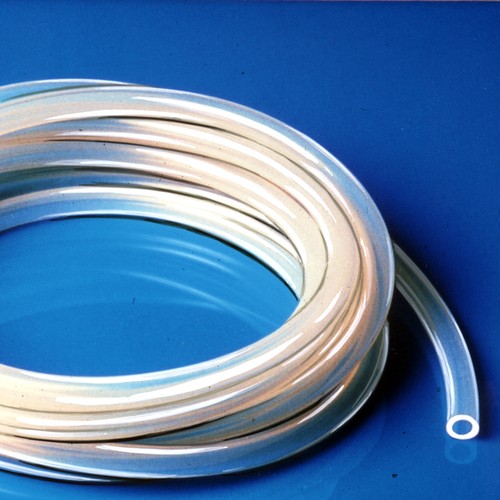
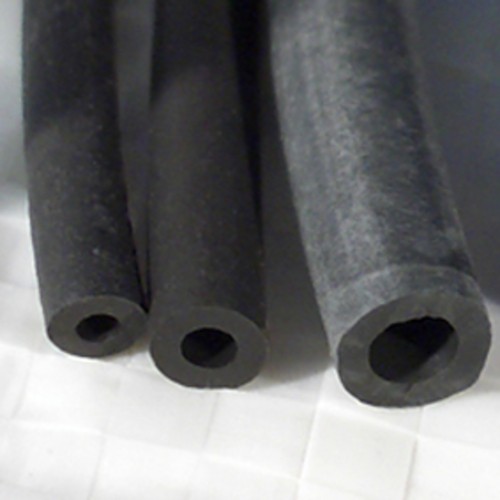
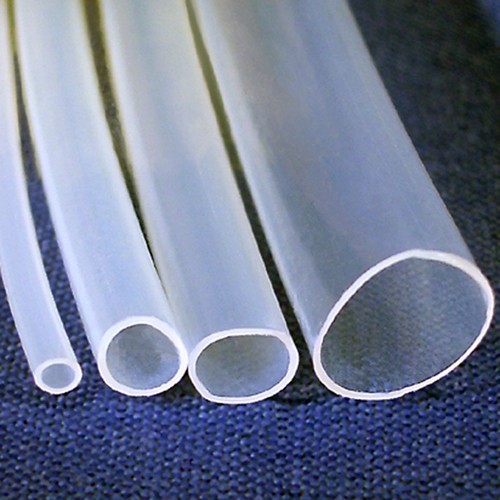
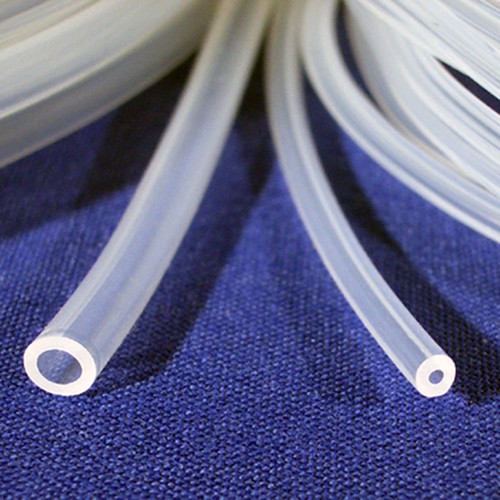
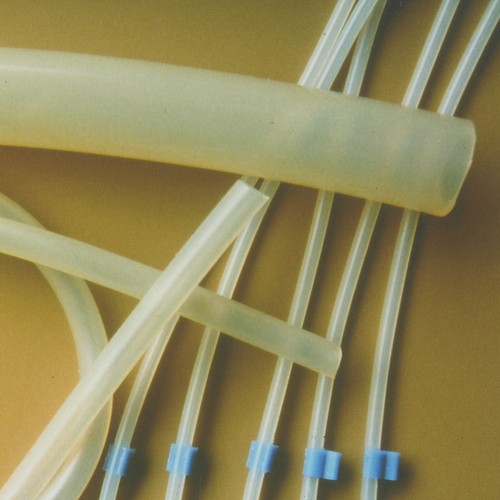
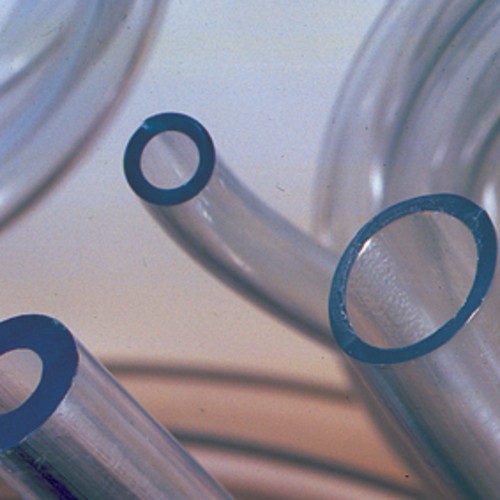
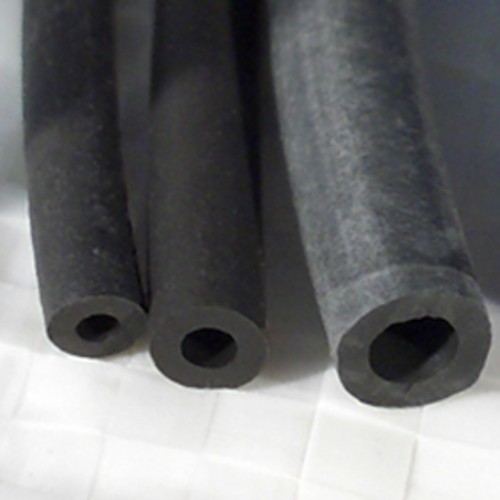
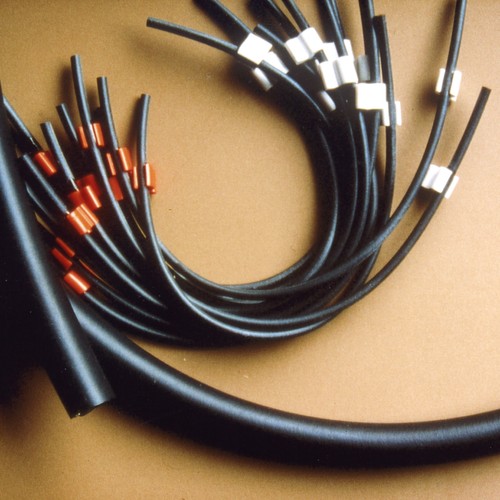
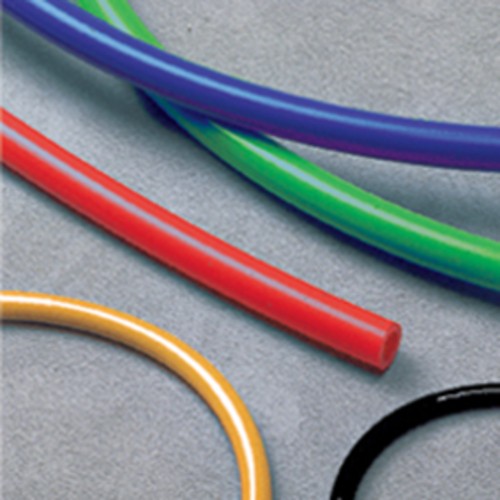
Capillary hoses are micro hoses for microelectronics, HPLC and analytical technology
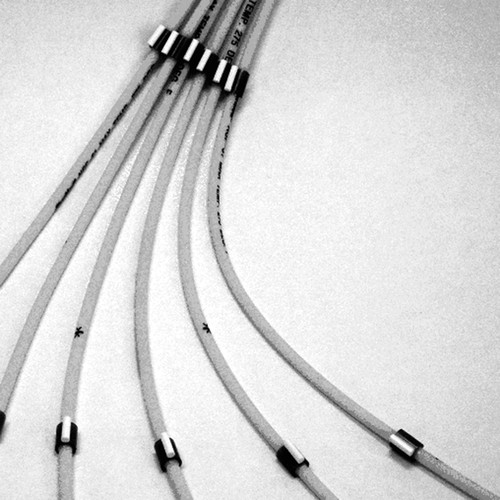
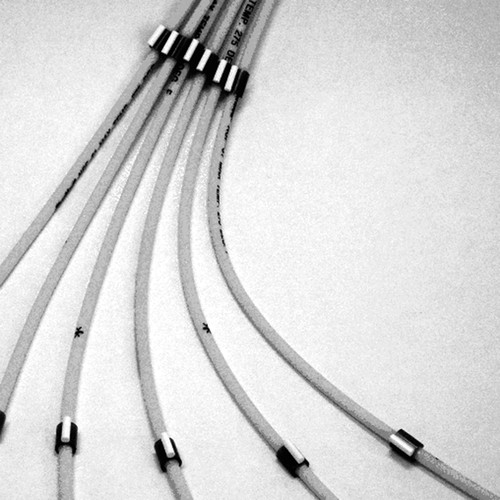
As a specialist in hose technology, Reichelt Chemietechnik presents capillary hoses as micro and spaghetti tubing, micro pump tubing, analytical and chemical tubing, multi-channel micro tubing, pump tubing with two and three stoppers, tubing for medical and medical-technology applications, X-ray contrast medium tubing, high-pressure tubing and spiral capillaries, micro capillaries, inch-sized capillaries, metal tubing, titanium capillaries and stainless steel capillaries.
Material specification
- Stainless steel capillaries
Capillaries made of stainless steel are available in materials 1.4301 and 1.4401.
The capillaries are drawn seamless and straightened; the inner surface is absolutely smooth, and both the inner and outer surfaces are refined.
A special variant are stainless steel capillaries with an internal glass coating; they are corrosion-resistant and biocompatible, resistant to acids and alkalis, and suitable for temperatures up to +500 °C.
- Capillaries / high-performance capillaries made of PEEK
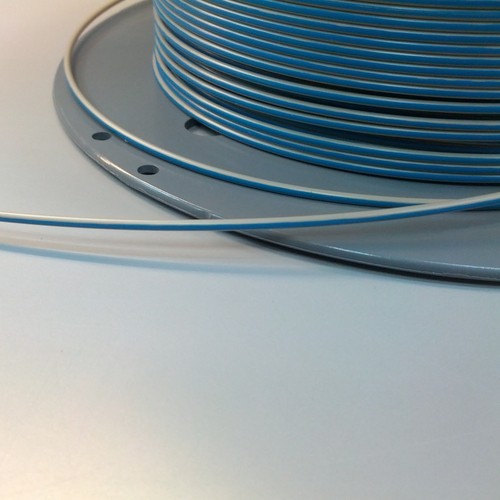
Available in striped and solid colors, with color options including red, yellow, blue, orange, green and natural; depending on the dimensions, maximum pressures of up to 420 bar can be applied. The temperature limit is +250 °C up to max. +300 °C (short-term).
- Micro hoses made of PVC (THOMAVINYL)
Offered as pump hoses in metric and inch dimensions, starting from an inner diameter of 0.13 mm. These micro tubes are used in microanalytics and micro process control; their Shore hardness is A 60° according to DIN 53505. The additives used are carefully selected and subject to strict quality control as part of quality assurance.
PVC micro tubing is also available as special compounds that are resistant to fuels and solvents.
- Tygon pump hoses
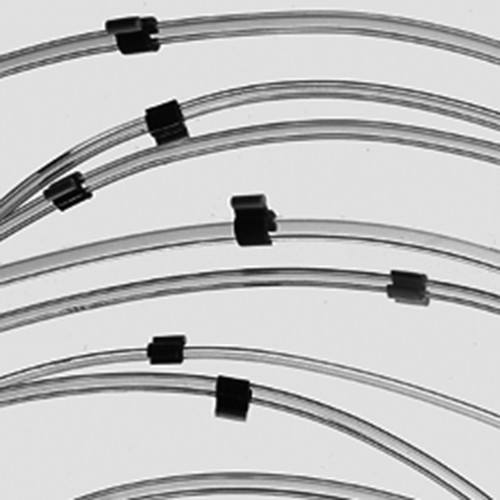
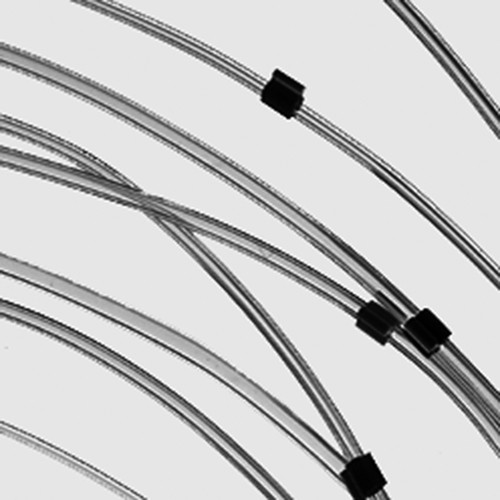
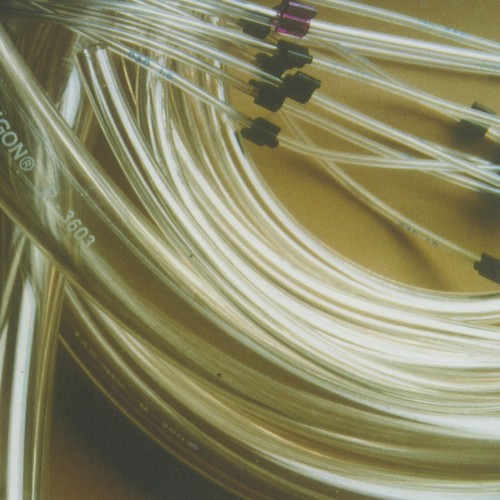
Available with 2 and 3 stoppers; the total length of the hose sections is 406 mm. In addition, Tygon micro tubing is manufactured for analytical purposes as well as for fuels and lubricants.
- PTFE (THOMAFLON)
A fluoropolymer available for capillary hoses, manufactured in inch dimensions; the smallest inner diameter is 0.25 mm. This tubing type is resistant to almost all inorganic and organic media except fluorine compounds; it is temperature-resistant up to max. +260 °C and ensures maximum gas tightness.
- FPM/FKM pump hoses
Available in a length of 406 mm with two or three stoppers. These fluoroelastomer tubes are almost as resistant as PTFE, but offer maximum flexibility with a Shore hardness of A 60° according to DIN 53505. FPM micro hoses / spaghetti hoses are manufactured in very small dimensions with an inner diameter of 0.5 mm. The operating temperature ranges from -20 °C to +200 °C, short-term also up to +250 °C; they are nearly gas-tight.
- Tygon hoses (cross-linked PVC hoses)
Elastomer hoses with the properties of PVC (polyvinyl chloride), but with significantly improved resistance to fuels, lubricants, diluted acids and alkalis. These tubing variants offer an exceptionally long service life, are nearly impermeable, non-toxic, pyrogen-free and blood-compatible, depending on the type.
Temperature resistance of micro hoses / capillary hoses
This includes:
- EPDM/PP (Santoprene, THOMAPREN, Norprene):
Temperature range: -60 °C to +135 °C
- FPM/FKM Viton®/THOMAFLUOR:
Temperature range: -20 °C to +200 °C, short-term up to +250 °C
- LDPE (low-density polyethylene):
Temperature range: -50 °C to +80 °C, short-term up to +100 °C
- PEEK (polyether ether ketone):
Temperature range: -40 °C to +250 °C, short-term up to +300 °C
- PTFE (THOMAFLON):
Temperature range: -200 °C to +260 °C, short-term up to +280 °C
- Silicone (silicone rubber, THOMASIL):
Temperature range: -60 °C to +200 °C
- Tygon (cross-linked PVC):
Temperature range: -10 °C to +74 °C
- PI (polyimide):
Temperature range: -240 °C to +240 °C, short-term up to +300 °C
FPM/FKM and EPDM/PP micro hoses
EPDM/PP / Santoprene® hoses are manufactured as micro hoses or micro pump hoses with 2 and 3 stoppers. The Shore hardness is A 64° and the operating temperature ranges from -60 °C to +135 °C. EPDM/PP micro pump hoses are FDA/BfR compliant. FPM/FKM, Viton® or THOMAFLUOR hoses also belong to the group of capillary or micro hoses, with a Shore hardness of A 64° and a temperature range from -20 °C to +200 °C; FPM hose designs can also be subjected to +250 °C for short periods.
Individually, RCT presents:
FPM/FKM micro tubing
FPM/FKM micro spaghetti chemical tubing
FPM pump tubing with 2 and 3 stoppers
Tygon® hoses are presented as pump hoses with 2 and 3 stoppers as well as analytical hoses, with Shore hardness options of A 57° and A 80° according to DIN 53505. The operating temperature is defined as -10 °C to +65 °C or +74 °C. These are micro hoses.
PVC / THOMAVINYL hoses are presented by RCT as pump hoses with 2 and 3 stoppers or as micro pump hoses specifically for fuels. The operating temperature ranges between +30 °C and +60 °C, and the Shore hardness for both types is A 64° according to DIN 53505.
Pump, micro and capillary hoses / micro hoses from the RCT range:
PVC pump tubing with two stoppers – spacing 60 mm
PVC pump tubing with two stoppers – spacing 152 mm
PVC pump tubing with two stoppers – calibrated
Micro pump tubing for fuels
PVC micro catheter chemical tubing
Silicone hoses / THOMASIL tubing / silicone rubber tubing are also part of the RCT range as capillary or micro hoses for analytical technology and medical technology.
Silicone hoses are offered as pump hoses with and without stoppers, as spaghetti hoses for analytical technology, as analytical hoses and as colored analytical hoses.
The Shore hardness for silicone capillary hoses / silicone micro hoses is A 60° according to DIN 53505, with an operating temperature from -60 °C to +300 °C. Short-term exposure up to +350 °C is possible.
It should be noted that silicone pump hoses with 2 and 3 stoppers are FDA/BfR compliant and therefore meet the requirements of the European Pharmacopoeia.
Individually, RCT presents capillary / micro hoses made of silicone rubber as:
Silicone pharma tubing with 2 stoppers
Silicone pharma tubing with 3 stoppers
Silicone micro spaghetti tubing for analytical technology
Silicone analytical tubing
Silicone analytical tubing – colored
The capillary hose variants also include plastic tubing that is particularly suitable for metal-free chromatography.
This includes ETFE tubing variants with a Shore hardness of D 75° according to DIN 53505, suitable for temperature ranges from -200 °C to +150 °C, and short-term use up to +200 °C.
The group of capillary hoses also includes LDPE tubing, as well as LDPE X-ray contrast medium tubing, suitable for temperature ranges from -20 °C to +80 °C and short-term exposure up to +100 °C. Due to their low density, these tubing variants are soft and therefore ideal for use as analytical tubing / laboratory tubing.
Specifically, these are the following types:
LDPE tubing for medical technology
LDPE X-ray contrast medium tubing for medical technology
PEEK / polyether ether ketone tubing represents high-pressure capillary hoses, available in solid and striped versions, ensuring maximum pressure stability and impact resistance. PEEK tubing is inert to solvents, acids and alkalis, with the exception of concentrated sulfuric acid (H2SO4) and concentrated nitric acid (HNO3). The operating temperature ranges from -40 °C to +250 °C, with short-term exposure up to +300 °C. Depending on the dimension, the pressure range can be specified as 227 bar to 420 bar at +20 °C.
Overview of micro and capillary hoses made of PEEK:
PEEK high-pressure capillary hoses – solid color
PEEK high-pressure capillary hoses – striped
PEEK spiral capillary hoses
PI tubing represents micro capillary hoses with extremely small wall thicknesses. PI tubing variants are ideally suited for corrosive and aggressive media. They are used in microanalysis and microelectronics and serve for fluid and gas transport in chemical-analytical and biomedical devices. PI tubing is also used in the manufacture of titration instruments.
The operating temperature ranges from -240 °C to +240 °C, with short-term exposure up to +300 °C.
The RCT program provides capillary hoses as: PI micro special capillary hoses.
PTFE / THOMAFLON hose variants as capillary / micro hoses are primarily used in metal-free chromatography, analytical technology and microelectronics.
PTFE tubing variants demonstrate the highest chemical resistance to inorganic and organic media, as well as high gas tightness and therefore extremely low permeability. The Shore hardness of PTFE and THOMAFLON tubing is D 65, with an operating temperature from -200 °C to +260 °C.
PTFE capillary hoses from our range:
PTFE capillary tubing – inch dimensions
PTFE analytical tubing with hollow screw fittings, assembled
In addition to precision tubing / tubes made of fluoropolymers for chromatography, RCT also offers titanium capillaries and stainless steel capillaries for HPLC applications.
This includes in detail:
- Titanium capillaries for metal-free chromatography and for conveying bioactive solutions. These HPLC capillaries are made of ultra-pure titanium and ensure maximum chemical resistance and biocompatibility. Titanium capillaries are available from stock with inner diameters of 0.3 mm, 0.5 mm, 0.8 mm and 2.0 mm.
- Glass-coated stainless steel capillaries, also used for metal-free chromatography and for conveying sensitive and bioactive solutions. They are resistant to aggressive media, including concentrated acids and alkalis. The operating temperature is +500 °C in continuous operation. These capillaries are available with inner diameters of 0.3 mm, 0.5 mm, 0.7 mm, 0.75 mm, 1 mm, 1.5 mm, 1.8 mm, 2 mm and 4 mm.
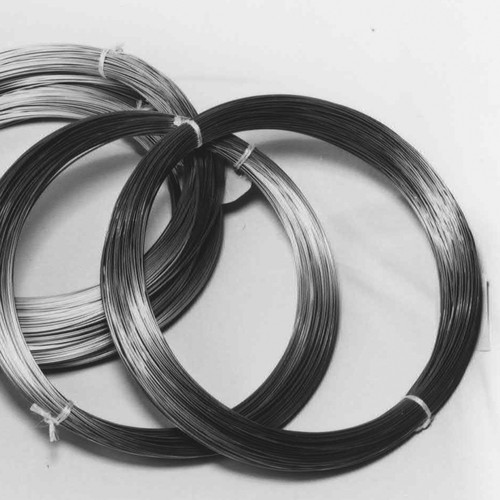
- Stainless steel capillaries according to DIN 1.4401 and 1.4301 are also part of the RCT range. These capillaries are drawn seamless and supplied straightened or coiled. The inner surface is absolutely smooth and refined.
Capillary hoses & accessories – order now at rct-online.de!
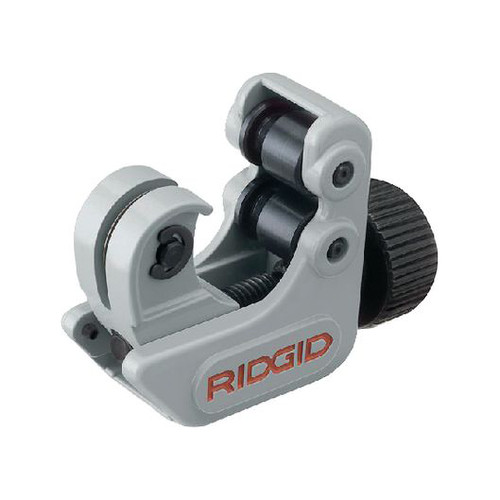
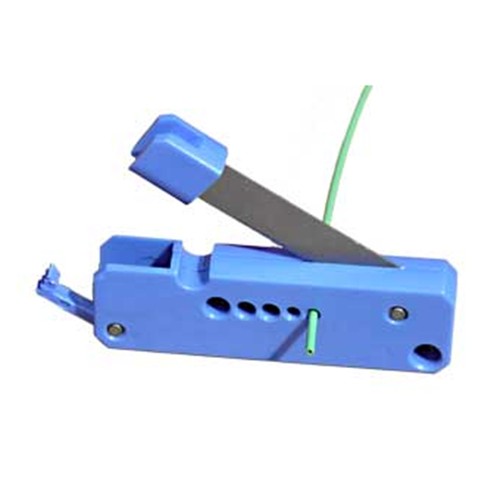
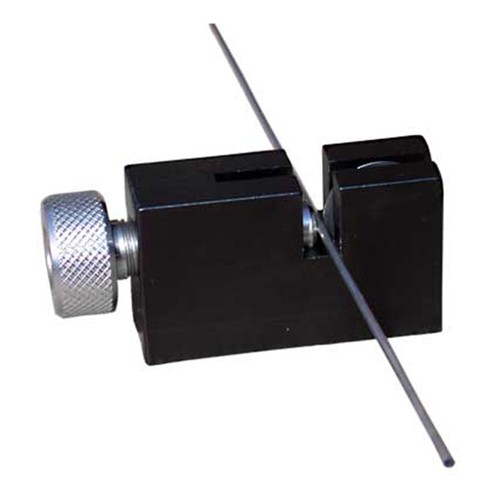
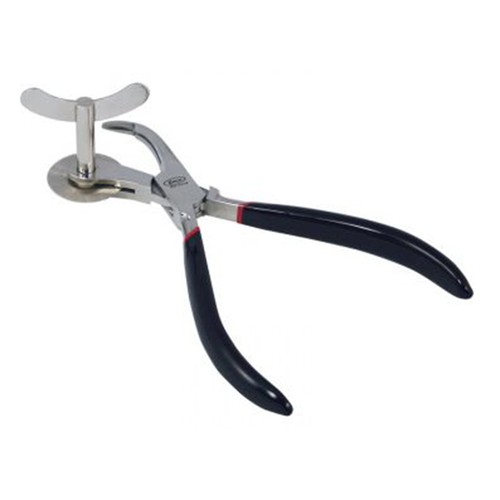
Our range includes capillary hoses and capillary tubes made of stainless steel, titanium, PEEK, PTFE and other high-performance materials – for precise applications in HPLC, analytical technology, process engineering and plant construction. To enable precise processing and adaptation of your capillaries, we also offer metal capillary cutters, pipe saws and pipe cutters for accurate cutting of stainless steel, titanium and glass-coated capillaries. Use our electronic chemical resistance list to identify the ideal material for your application, or learn more about the technical properties of our materials in our glossary. Order directly online now or let our experts advise you!
Close window
Capillary hoses are micro hoses for microelectronics, HPLC and analytical technology
As a specialist in hose technology, Reichelt Chemietechnik presents capillary hoses as micro and spaghetti tubing, micro pump tubing, analytical and chemical tubing, multi-channel micro tubing, pump tubing with two and three stoppers, tubing for medical and medical-technology applications, X-ray contrast medium tubing, high-pressure tubing and spiral capillaries, micro capillaries, inch-sized capillaries, metal tubing, titanium capillaries and stainless steel capillaries.
Material specification
- Stainless steel capillaries
Capillaries made of stainless steel are available in materials 1.4301 and 1.4401.
The capillaries are drawn seamless and straightened; the inner surface is absolutely smooth, and both the inner and outer surfaces are refined.
A special variant are stainless steel capillaries with an internal glass coating; they are corrosion-resistant and biocompatible, resistant to acids and alkalis, and suitable for temperatures up to +500 °C.
- Capillaries / high-performance capillaries made of PEEK
Available in striped and solid colors, with color options including red, yellow, blue, orange, green and natural; depending on the dimensions, maximum pressures of up to 420 bar can be applied. The temperature limit is +250 °C up to max. +300 °C (short-term).
- Micro hoses made of PVC (THOMAVINYL)
Offered as pump hoses in metric and inch dimensions, starting from an inner diameter of 0.13 mm. These micro tubes are used in microanalytics and micro process control; their Shore hardness is A 60° according to DIN 53505. The additives used are carefully selected and subject to strict quality control as part of quality assurance.
PVC micro tubing is also available as special compounds that are resistant to fuels and solvents.
- Tygon pump hoses
Available with 2 and 3 stoppers; the total length of the hose sections is 406 mm. In addition, Tygon micro tubing is manufactured for analytical purposes as well as for fuels and lubricants.
- PTFE (THOMAFLON)
A fluoropolymer available for capillary hoses, manufactured in inch dimensions; the smallest inner diameter is 0.25 mm. This tubing type is resistant to almost all inorganic and organic media except fluorine compounds; it is temperature-resistant up to max. +260 °C and ensures maximum gas tightness.
- FPM/FKM pump hoses
Available in a length of 406 mm with two or three stoppers. These fluoroelastomer tubes are almost as resistant as PTFE, but offer maximum flexibility with a Shore hardness of A 60° according to DIN 53505. FPM micro hoses / spaghetti hoses are manufactured in very small dimensions with an inner diameter of 0.5 mm. The operating temperature ranges from -20 °C to +200 °C, short-term also up to +250 °C; they are nearly gas-tight.
- Tygon hoses (cross-linked PVC hoses)
Elastomer hoses with the properties of PVC (polyvinyl chloride), but with significantly improved resistance to fuels, lubricants, diluted acids and alkalis. These tubing variants offer an exceptionally long service life, are nearly impermeable, non-toxic, pyrogen-free and blood-compatible, depending on the type.
Temperature resistance of micro hoses / capillary hoses
This includes:
- EPDM/PP (Santoprene, THOMAPREN, Norprene):
Temperature range: -60 °C to +135 °C
- FPM/FKM Viton®/THOMAFLUOR:
Temperature range: -20 °C to +200 °C, short-term up to +250 °C
- LDPE (low-density polyethylene):
Temperature range: -50 °C to +80 °C, short-term up to +100 °C
- PEEK (polyether ether ketone):
Temperature range: -40 °C to +250 °C, short-term up to +300 °C
- PTFE (THOMAFLON):
Temperature range: -200 °C to +260 °C, short-term up to +280 °C
- Silicone (silicone rubber, THOMASIL):
Temperature range: -60 °C to +200 °C
- Tygon (cross-linked PVC):
Temperature range: -10 °C to +74 °C
- PI (polyimide):
Temperature range: -240 °C to +240 °C, short-term up to +300 °C
FPM/FKM and EPDM/PP micro hoses
EPDM/PP / Santoprene® hoses are manufactured as micro hoses or micro pump hoses with 2 and 3 stoppers. The Shore hardness is A 64° and the operating temperature ranges from -60 °C to +135 °C. EPDM/PP micro pump hoses are FDA/BfR compliant. FPM/FKM, Viton® or THOMAFLUOR hoses also belong to the group of capillary or micro hoses, with a Shore hardness of A 64° and a temperature range from -20 °C to +200 °C; FPM hose designs can also be subjected to +250 °C for short periods.
Individually, RCT presents:
FPM/FKM micro tubing
FPM/FKM micro spaghetti chemical tubing
FPM pump tubing with 2 and 3 stoppers
Tygon® hoses are presented as pump hoses with 2 and 3 stoppers as well as analytical hoses, with Shore hardness options of A 57° and A 80° according to DIN 53505. The operating temperature is defined as -10 °C to +65 °C or +74 °C. These are micro hoses.
PVC / THOMAVINYL hoses are presented by RCT as pump hoses with 2 and 3 stoppers or as micro pump hoses specifically for fuels. The operating temperature ranges between +30 °C and +60 °C, and the Shore hardness for both types is A 64° according to DIN 53505.
Pump, micro and capillary hoses / micro hoses from the RCT range:
PVC pump tubing with two stoppers – spacing 60 mm
PVC pump tubing with two stoppers – spacing 152 mm
PVC pump tubing with two stoppers – calibrated
Micro pump tubing for fuels
PVC micro catheter chemical tubing
Silicone hoses / THOMASIL tubing / silicone rubber tubing are also part of the RCT range as capillary or micro hoses for analytical technology and medical technology.
Silicone hoses are offered as pump hoses with and without stoppers, as spaghetti hoses for analytical technology, as analytical hoses and as colored analytical hoses.
The Shore hardness for silicone capillary hoses / silicone micro hoses is A 60° according to DIN 53505, with an operating temperature from -60 °C to +300 °C. Short-term exposure up to +350 °C is possible.
It should be noted that silicone pump hoses with 2 and 3 stoppers are FDA/BfR compliant and therefore meet the requirements of the European Pharmacopoeia.
Individually, RCT presents capillary / micro hoses made of silicone rubber as:
Silicone pharma tubing with 2 stoppers
Silicone pharma tubing with 3 stoppers
Silicone micro spaghetti tubing for analytical technology
Silicone analytical tubing
Silicone analytical tubing – colored
The capillary hose variants also include plastic tubing that is particularly suitable for metal-free chromatography.
This includes ETFE tubing variants with a Shore hardness of D 75° according to DIN 53505, suitable for temperature ranges from -200 °C to +150 °C, and short-term use up to +200 °C.
The group of capillary hoses also includes LDPE tubing, as well as LDPE X-ray contrast medium tubing, suitable for temperature ranges from -20 °C to +80 °C and short-term exposure up to +100 °C. Due to their low density, these tubing variants are soft and therefore ideal for use as analytical tubing / laboratory tubing.
Specifically, these are the following types:
LDPE tubing for medical technology
LDPE X-ray contrast medium tubing for medical technology
PEEK / polyether ether ketone tubing represents high-pressure capillary hoses, available in solid and striped versions, ensuring maximum pressure stability and impact resistance. PEEK tubing is inert to solvents, acids and alkalis, with the exception of concentrated sulfuric acid (H2SO4) and concentrated nitric acid (HNO3). The operating temperature ranges from -40 °C to +250 °C, with short-term exposure up to +300 °C. Depending on the dimension, the pressure range can be specified as 227 bar to 420 bar at +20 °C.
Overview of micro and capillary hoses made of PEEK:
PEEK high-pressure capillary hoses – solid color
PEEK high-pressure capillary hoses – striped
PEEK spiral capillary hoses
PI tubing represents micro capillary hoses with extremely small wall thicknesses. PI tubing variants are ideally suited for corrosive and aggressive media. They are used in microanalysis and microelectronics and serve for fluid and gas transport in chemical-analytical and biomedical devices. PI tubing is also used in the manufacture of titration instruments.
The operating temperature ranges from -240 °C to +240 °C, with short-term exposure up to +300 °C.
The RCT program provides capillary hoses as: PI micro special capillary hoses.
PTFE / THOMAFLON hose variants as capillary / micro hoses are primarily used in metal-free chromatography, analytical technology and microelectronics.
PTFE tubing variants demonstrate the highest chemical resistance to inorganic and organic media, as well as high gas tightness and therefore extremely low permeability. The Shore hardness of PTFE and THOMAFLON tubing is D 65, with an operating temperature from -200 °C to +260 °C.
PTFE capillary hoses from our range:
PTFE capillary tubing – inch dimensions
PTFE analytical tubing with hollow screw fittings, assembled
In addition to precision tubing / tubes made of fluoropolymers for chromatography, RCT also offers titanium capillaries and stainless steel capillaries for HPLC applications.
This includes in detail:
- Titanium capillaries for metal-free chromatography and for conveying bioactive solutions. These HPLC capillaries are made of ultra-pure titanium and ensure maximum chemical resistance and biocompatibility. Titanium capillaries are available from stock with inner diameters of 0.3 mm, 0.5 mm, 0.8 mm and 2.0 mm.
- Glass-coated stainless steel capillaries, also used for metal-free chromatography and for conveying sensitive and bioactive solutions. They are resistant to aggressive media, including concentrated acids and alkalis. The operating temperature is +500 °C in continuous operation. These capillaries are available with inner diameters of 0.3 mm, 0.5 mm, 0.7 mm, 0.75 mm, 1 mm, 1.5 mm, 1.8 mm, 2 mm and 4 mm.
- Stainless steel capillaries according to DIN 1.4401 and 1.4301 are also part of the RCT range. These capillaries are drawn seamless and supplied straightened or coiled. The inner surface is absolutely smooth and refined.
Capillary hoses & accessories – order now at rct-online.de!
Our range includes capillary hoses and capillary tubes made of stainless steel, titanium, PEEK, PTFE and other high-performance materials – for precise applications in HPLC, analytical technology, process engineering and plant construction. To enable precise processing and adaptation of your capillaries, we also offer metal capillary cutters, pipe saws and pipe cutters for accurate cutting of stainless steel, titanium and glass-coated capillaries. Use our electronic chemical resistance list to identify the ideal material for your application, or learn more about the technical properties of our materials in our glossary. Order directly online now or let our experts advise you!