 Reichelt Chemietechnik Magazine
Think durability and elasticity can’t go hand in hand? Think again. Fluoroelastomers form an entire family of rubbers that meets both demands at once: chemical and thermal resistance alongside elastic flexibility. Let’s look at the history, structure, properties and many applications of the fluoroelastomer FKM/FPM.
The Birth of Fluoroelastomers
Fluorinated plastics rose to their present importance largely through the development of polytetrafluoroethylene (PTFE) in the late 1930s. Its exceptional resistance to heat and chemicals makes this polymer the undisputed number one in its category.
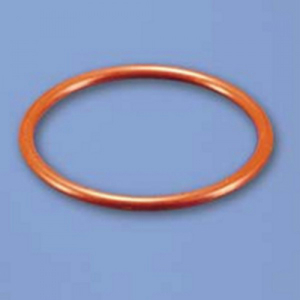
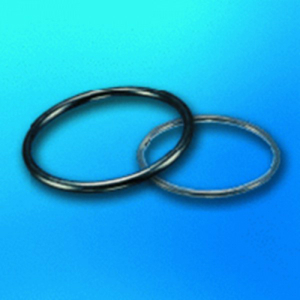
PTFE is no cure-all, however. As a thermoplastic, it disappoints above all in its mechanical properties – not least its lack of elasticity. This low flexibility means that chemical tubing, for example, cannot bend into tight curves. The shortcomings of PTFE show far more clearly under mechanical load, since the material starts to flow even at low pressure. Its use in seals – whether round cord, O-rings or flat gaskets – therefore remains fairly limited. Fluoroelastomers FKM were meant to remedy these deficits.
Twenty years after the discovery of PTFE, DuPont caused another sensation in polymer synthesis with Viton®, the first fluoroelastomer of its kind.
A Question of Naming
Standardised short codes bring order to the abbreviations used for plastics across industry, trade and regulatory bodies. The history of these rubbers shows what happens when two separate institutions take on this task. ASTM International (the American Society for Testing and Materials) classified fluoroelastomer as “FKM” under its ASTM D1418 standard. This standard names rubbers by the chemical make-up of their polymer chain. DIN/ISO (the German Institute for Standardisation and the International Organization for Standardization) initially spoke of “FPM” before adopting the American convention. Agreement on paper did not erase the older term from people’s minds, so both abbreviations remain in use today – an occasional source of confusion.
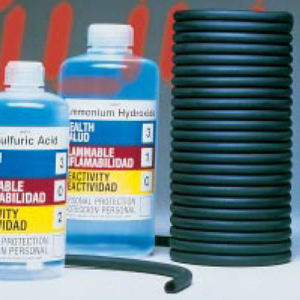
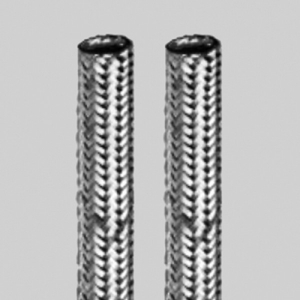
Whichever abbreviation you choose, remember that it denotes an entire family of materials rather than one clearly defined product. “Viton®” names just one member of the fluoroelastomer family. Others appear under the trade names DAI-EL® (Daikin Industries Ltd.), Tecnoflon® (Solvay S.A.), Dyneon® (3M) and THOMAFLUOR (Reichelt Chemietechnik).
Structural Diversity
Fluoroelastomers are copolymers, which means they form from more than one type of monomer. Vinylidene fluoride provides the basis in every case. Adding one further monomer creates “copolymers”, two further monomers yield “terpolymers”, and three further monomers produce “tetrapolymers”.
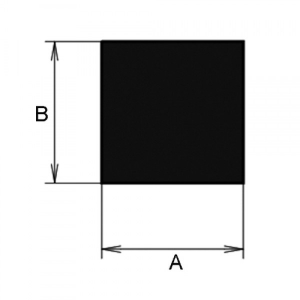
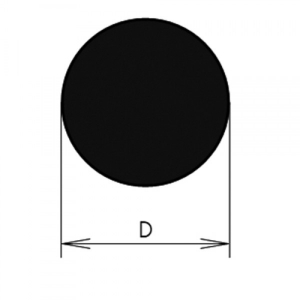
Typical co-monomers include hexafluoropropylene, tetrafluoroethylene, 1-hydropentafluoropropylene and perfluoromethylvinyl ether. Different cross-linking systems – diamine, bisphenol and peroxide – add almost limitless variation in composition. This lets manufacturers fine-tune the FKM material to each field of application.
Properties of FKM Rubber
Fluoroelastomers FKM compounds may lack a single fixed composition, yet they share two defining traits: remarkable chemical stability paired with high thermal resistance. The reason lies in the exceptional strength of the carbon-fluorine bond compared with the carbon-hydrogen bond. Not surprisingly, then, thermal and chemical resistance rise as fluorine content increases. Standard grades handle continuous temperatures of 200 °C (392 °F) with ease and survive brief peaks of up to 230 °C (446 °F) without damage. At the cold end, average fluoroelastomers stay stable only down to roughly -20 °C (-4 °F). Special low-temperature FKM grades, however, can perform down to -35 °C (-31 °F).
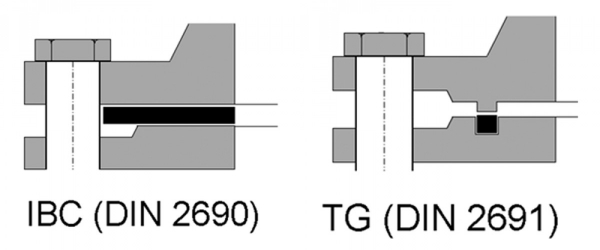
The chemical inertness of this non-flammable FKM material shows in its resistance to weathering and ozone, and in its tolerance of non-polar solvents such as aliphatic and aromatic hydrocarbons. Fuels, mineral oils and greases pose no problem, and neither do concentrated inorganic acids like hydrochloric, sulphuric and nitric acid. Ketones such as acetone, however, are off-limits – as are other polar solvents, glycol-ether-based brake fluids, caustic soda and acetic acid.
Hot water, steam, amines and alcohols also call for caution. Conventional grades cannot tolerate these media, though compatible variants exist.
Versatile Applications of FKM Material
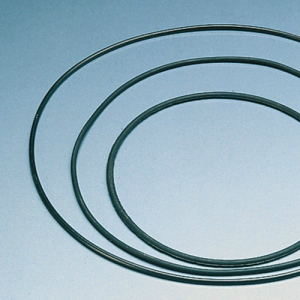
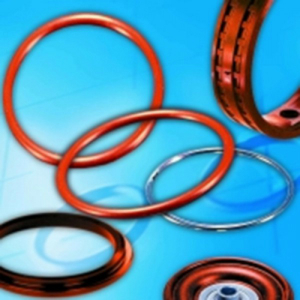
FKM rubber first found use as sealing material in aerospace, and the sector can no longer do without it. Its reliability under extreme conditions has earned it an excellent reputation in seals of every kind – whether O-rings, flat gaskets or round cord.
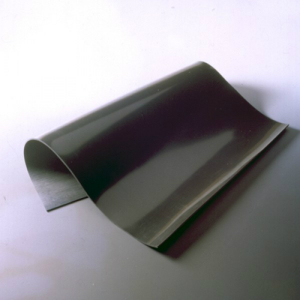
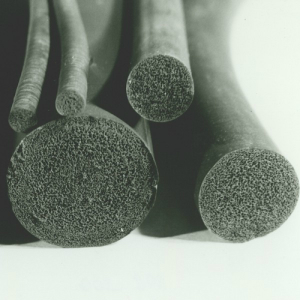
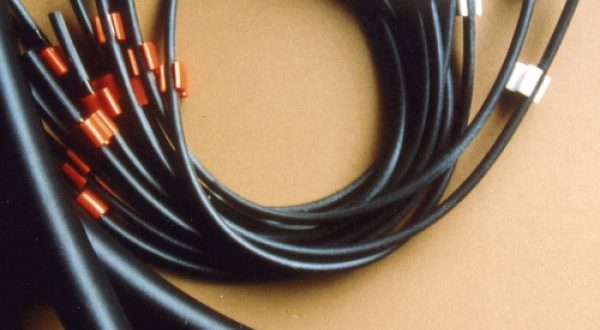
Sponge rubber sheets – easy to cut and punch – seal or thermally insulate whole vessels, devices and plants. They suit jobs that also demand long service life and flexibility. Beyond that, its outstanding heat and chemical resistance make the FKM material a natural choice for tubing.
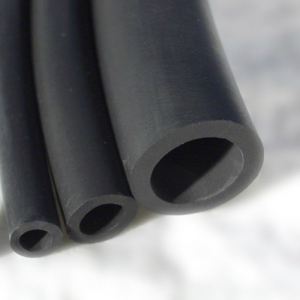
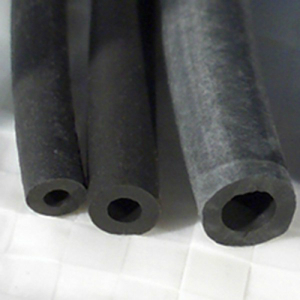
In practice, it serves in fuel and pump tubing, as well as chemical-resistant all-purpose lines. When conveying aggressive media, this chemical tubing need not stop at liquids: its low gas permeability also allows the transport of corrosive gases such as hydrogen chloride, chlorine and ozone.
The FKM material also goes into chemical protective gloves. When handling aggressive media, or during cleaning and decontamination work with hazardous substances, users value its tight barrier, chemical resistance and resistance to ageing.
Possible Alternatives to Fluoroelastomers
Choosing the right fluoroelastomers always depends on the demands it has to meet. As an all-round FKM material, it satisfies many requirements, yet for some applications it exceeds what the job needs. A look at other materials covering similar ground is therefore always worthwhile. Tubing made from ethylene propylene diene rubber (EPDM), for instance, offers a more economical alternative to FPM tubing.
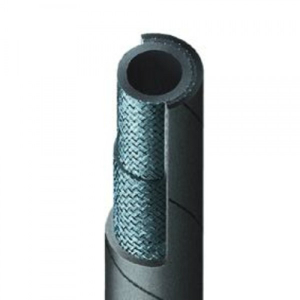
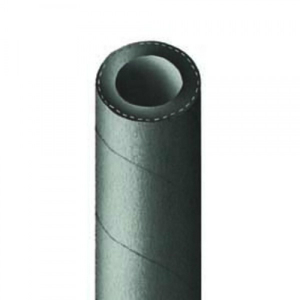
EPDM cannot match the temperature tolerance of fluoroelastomers, but it too offers excellent chemical resistance. With extremely aggressive media, rare cases can arise where even an FPM seal or FPM chemical tubing meets its match.
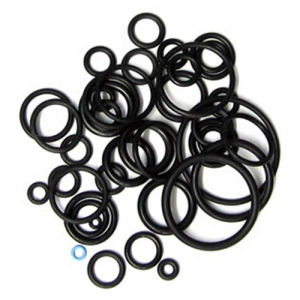
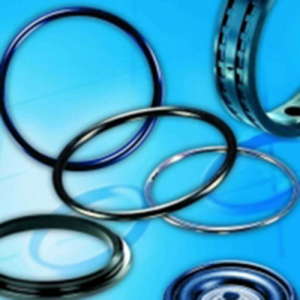
For even greater chemical and thermal stability without any loss of elasticity, only perfluoroelastomers (FFKM) will do. This high-tech polymer comes at a steeper price. Its use therefore stays limited to cases with extreme safety standards, or where high maintenance and failure costs justify it.