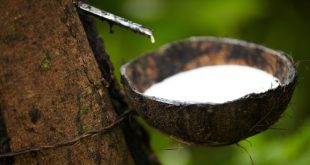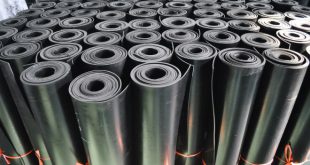
Since the second phase of the Industrial Revolution in the 1870s, a modern world without rubber has been almost inconceivable. The material is encountered wherever something must be sealed to …
Read more »Werkstoffe in der Chemie
Polystyrene: What can this Plastic (not) do?
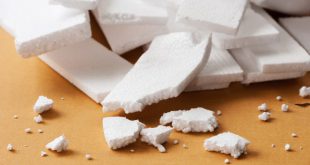
Polystyrene, PS, Styrofoam or styrene plastic – this material is as versatile as its many names. The thermoplastic made up around 5.2%[1] of the world’s plastic production in 2023. It …
Read more »Membrane Filtration: How It Works, Applications and Limitations
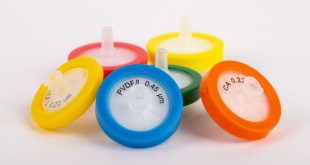
Many industries rely on filtration as a key separation technique. When particles and substances are removed from liquids and gases using a membrane, membrane filtration comes into its own. Depending …
Read more »PFAS Ban: Will All Fluoropolymers Be Prohibited?
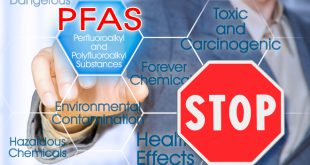
In the past, per- and polyfluoroalkyl substances were grouped under various terms such as per- and polyfluorinated chemicals, perfluorinated organic compounds, or highly fluorinated substances. In polyfluorinated alkyl substances, hydrogen …
Read more »Lubrication Technology: An Introduction to Lubricants and Methods
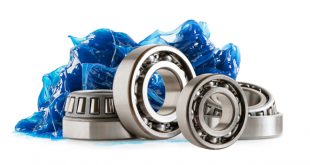
Lubrication technology is the invisible force that keeps machines running. It minimises friction and wear, improving the service life and efficiency of components. This article introduces lubrication technology, explains how …
Read more »Plastics in Medicine and Medical Technology
The share of plastics used in the medical sector accounts for only around 2 percent of the total volume of plastics produced worldwide. Despite this comparatively low proportion of overall …
Read more »Plastic Shortage: Rising prices and scarce raw materials explained
The convergence of several events led to a plastic shortage and a sharp increase in prices. This affected not only plastics, but also other raw materials such as metals, wood …
Read more »Silicon: Properties and Applications
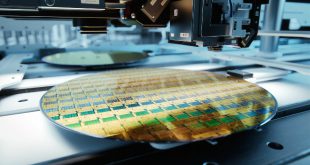
Without silicon, our modern daily life would look entirely different. It is found in every microchip but also in baking moulds, lubricants, cosmetics, and plastics: the element silicon. Silicon – …
Read more »Polyolefins – Properties, Differences and Applications
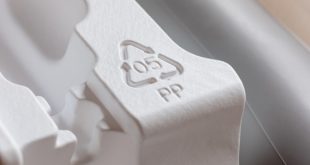
The term polyolefins refers to polymers produced from alkenes such as ethene, propene, butene, 2-methylpropene, and 4-methyl-1-pentene. Polyolefins are saturated hydrocarbons characterized by low density, good chemical resistance, low water …
Read more »Natural Rubber – What Is It?
Rubber was already known to the Maya, who used it to produce waterproof containers and elastic balls and to bond shoes. It is obtained by tapping the rubber tree, which …
Read more »
Reichelt Chemietechnik Magazine