 Reichelt Chemietechnik Magazine
Polyvinylidene fluoride, or PVDF for short, is a fluorinated polyolefin that became known under the trade name KYNAR®. Since chemists at the US company Pennsalt Corporation first synthesised it in the early 1960s, it has risen to become the second most important fluoropolymer after PTFE. As early as 2023, global production capacity stood at more than 200,000 tonnes, with the PVDF plastic reaching the market in forms including finished parts and semi-finished products.
A Plastic with Unique Properties
Like all fluoropolymers, PVDF (polyvinylidene fluoride) resists a wide range of chemicals, offers high mechanical strength and can be used at temperatures from -30 °C to +150 °C. It is physiologically safe, can be produced to a high purity and is extremely easy to process.
It is the only plastic among the fluoropolymers that exhibits piezoelectric, ferroelectric and pyroelectric properties.
How Polyvinylidene Fluoride Is Made – and the Many Ways to Process It
Manufacturers produce polyvinylidene fluoride by polymerising 1,1-difluoroethene in the presence of a catalyst. The polymer synthesised in this way is highly pure and contains no by-products or additional additives, which makes it the material of choice for many components in the semiconductor industry.
Processors can extrude or injection mould the plastic granulate – either directly into the required finished part, into semi-finished products such as plates and round rods, or into thin foils. Semi-finished products made from the plastic can be thermoformed or machined by turning, drilling or milling. The materials can also be welded or bonded, although bonding requires pre-treatment with primer solutions.
Plant and Equipment Engineering Uses PVDF Semi-Finished Products and Finished Parts in Many Areas
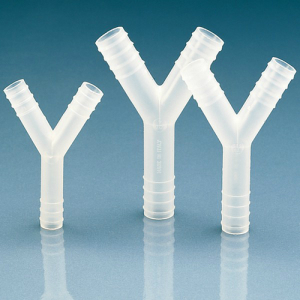
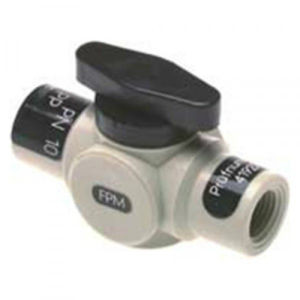
The broad range of processing options, combined with resistance to aggressive chemicals, elevated temperatures and weathering, makes this material so popular in plant and equipment engineering. Because semi-finished plastic products allow such varied mechanical and thermal processing, engineers can also produce components with demanding geometries. Thermoforming, welding or bonding turns semi-finished products into custom-made filling devices, troughs or piping systems that fit precisely into a plant. Films serve above all as coatings for corrosion-prone steel or metal components, large reaction vessels or plastic pipes.
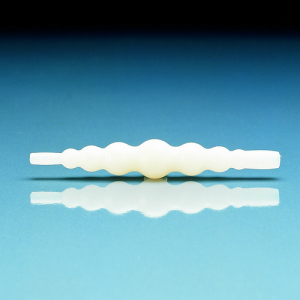
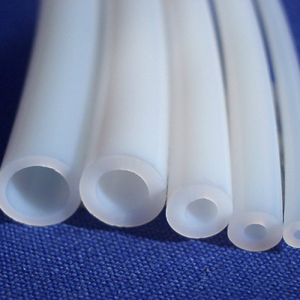
PVDF serves as a material not only in chemical plant engineering but equally in the pharmaceutical, food and semiconductor industries. Here properties such as physiological safety, high abrasion resistance and the purity of the plastic, which generally contains no additional plasticisers, come into play. This rules out the risk of so-called “leachout”, the unwanted leaching of the material. PVDF is therefore used as the material for pipes, seals and hoses that transport high-purity chemicals or ultrapure water in the pharmaceutical, food, semiconductor and chip industries. It is also used to make food-grade tubings.
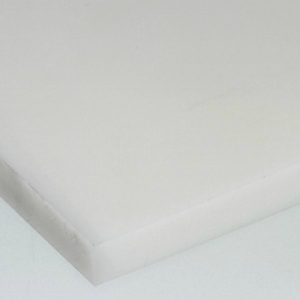
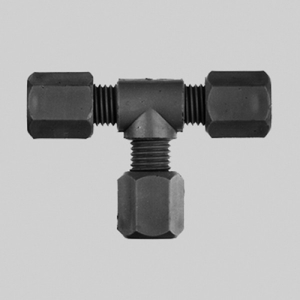
In these last two industrial sectors in particular, even minor contamination during the production process has a major impact on the quality of the end product. PVDF is one of the few plastics that meets these high purity requirements, which is why manufacturers use it not only for pipes and hoses but also for other components such as acid baths, complete piping systems, and transport and storage vessels. Here, too, semi-finished products, sheets or round rods provide the starting material for custom-made components that are optimally matched to the production process and to their intended application.
Physiologically Safe Plastics for Medical Technology
Materials used to manufacture medical devices and consumables must be biocompatible, should be sterilisable and must meet the requirements of the FDA or the German Federal Institute for Risk Assessment (BfR). Alongside silicone, PVDF meets these demands. Like silicone, it has a hydrophobic surface, so biofilms cannot form on such materials – an important prerequisite for their use in implants, hoses, seals and other components and accessories for medical devices.
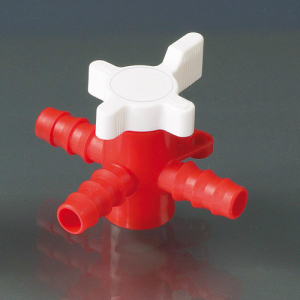
Piezoelectricity, Ferroelectricity and Pyroelectricity Set PVDF Apart
Piezoelectric Materials Help Patients
Polyvinylidene fluoride is semi-crystalline and exhibits piezoelectric, ferroelectric and pyroelectric properties. The Japanese physicist H. Kawai discovered its piezoelectric properties more than forty years ago. A few years later, two further Japanese physicists, K. Nakamura and Y. Wada, demonstrated the material’s ferroelectric properties. The piezoelectric effect describes the generation of a voltage through directed external pressure on a material, and engineers use it to measure vibration or rotation, for example in buildings, vehicles or machinery. These sensors contain a thin PVDF film that converts even the smallest movements into an electrical signal.
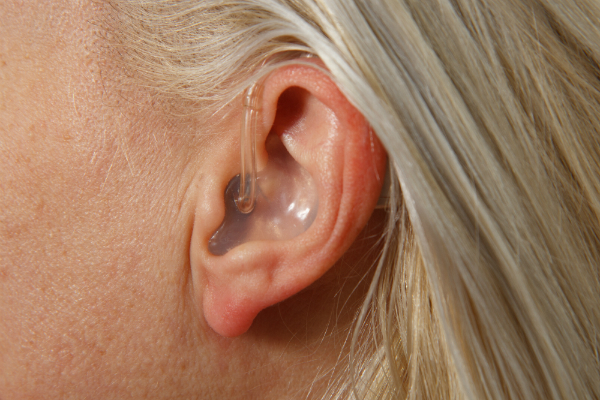
Engineers also exploit the opposite effect, the build-up of pressure when an external voltage is applied. As so-called actuators, films are used in components such as transistors or diodes, where they act as control elements. In medical technology, manufacturers build PVDF membranes into cochlear implants for people with hearing impairments. External sound waves set a membrane implanted in the cochlea vibrating, which induces electrical voltages of differing strength depending on the frequency. This imitates the basilar membrane of the inner ear: the auditory nerve “measures” the resulting voltages and passes them on to the brain. Cochlear implants are commercially available and allow people with hearing impairments to regain their hearing.
Plastics as Storage Media and Motion Detectors
A sudden change in external temperature can likewise generate a measurable electrical voltage in films made of polyvinylidene fluoride. Motion and flame detectors make use of this pyroelectric effect. The ferroelectric effect occurs when the dipole moments present in a material align with an external electric field. Researchers are working on how materials with this property can serve as storage media for electronic data.
Plastic transistors and diodes made from PVDF film already exist; a storage medium made from this material is still the subject of research.
PVDF Membranes in Biochemical Analysis
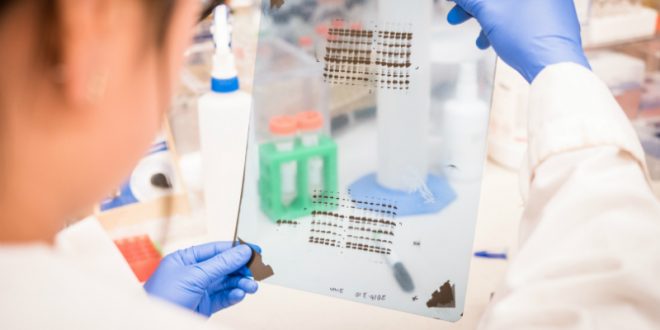
Biochemists use PVDF membranes to immobilise proteins. In western blotting, or immunoblotting, proteins separated on an SDS gel are transferred to a membrane, immobilised there and then identified using antibodies. Either nylon or PVDF membranes are used – proteins bind to both materials. Compared with nylon membranes, polyvinylidene fluoride offers the advantage of a greater protein-binding capacity as well as higher stability and robustness. This also allows the membranes to be reused once a washing procedure has removed the bound proteins. Alternatively, the PVDF membrane can be modified so that it has a very low protein-binding capacity. Such a membrane is used in the sterile filtration of solutions to reliably remove bacteria, unwanted proteins and other accompanying substances.
PVDF – A Material with a Future
Polyvinylidene fluoride, a plastic first synthesised more than fifty years ago, has found its way into many areas of everyday life. Cable sheathing exploits its electrical insulating properties, microphones and loudspeakers contain films made from this material, and manufacturers use it for many everyday objects as well. Plant and equipment engineering in particular values PVDF as a versatile material, while medical, pharmaceutical and food technology rely on properties such as physiological safety and sterilisability.
This material will surely hold further surprises in the future, if researchers do indeed succeed in producing novel electronic storage media or other products from this plastic.