 Reichelt Chemietechnik Magazine
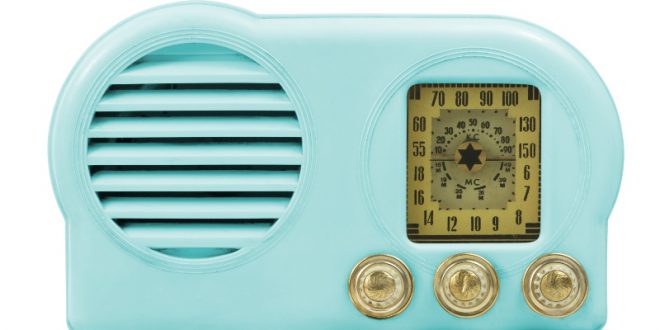
In 1911, a new journal on the production and use of refined or chemically manufactured materials appeared. Its editor, Ernst Richard Escales (1863–1924), wrote that chemists had “at last succeeded in producing artificial dyes, medicines and fragrances”. These differed in composition from natural products, yet matched or even surpassed them in effect. The same could have been said of plastics, materials made in the laboratory. The road to the first technically usable plastic, however, was long and rocky. Read on to learn how this history unfolded and how it led to Bakelite, the first fully synthetic plastic.
Seemingly Fit Only for the Sewer
In 1834, Friedlieb Ferdinand Runge (1794–1867) isolated a previously unknown compound from coal tar. It forms needle-shaped crystals that melt at just above +40 °C (+104 °F) and dissolve in water. It also has a penetrating “chemical smell”. Runge named it “carbolic acid”. In 1841, the Frenchman Auguste Laurent (1807–1853) isolated it in pure form and determined its molecular formula, C6H6O. Shortly afterwards, in 1843, the Alsatian chemist Charles Frédéric Gerhardt (1816–1856) obtained it by pyrolysing salicylic acid. He gave the compound the name “phenol”.
Scientific and commercial interest soon faded, however, because phenol seemed to have little practical use. At best, it could reduce the stench of sewers and waste water. A few cities, such as Paris, did use it for this purpose.
A Surgeon Finds a Use
It fell to the English surgeon Joseph Lister (1827–1912) to draw fresh attention to phenol. Lister worked at Glasgow Royal Infirmary and championed hospital hygiene.
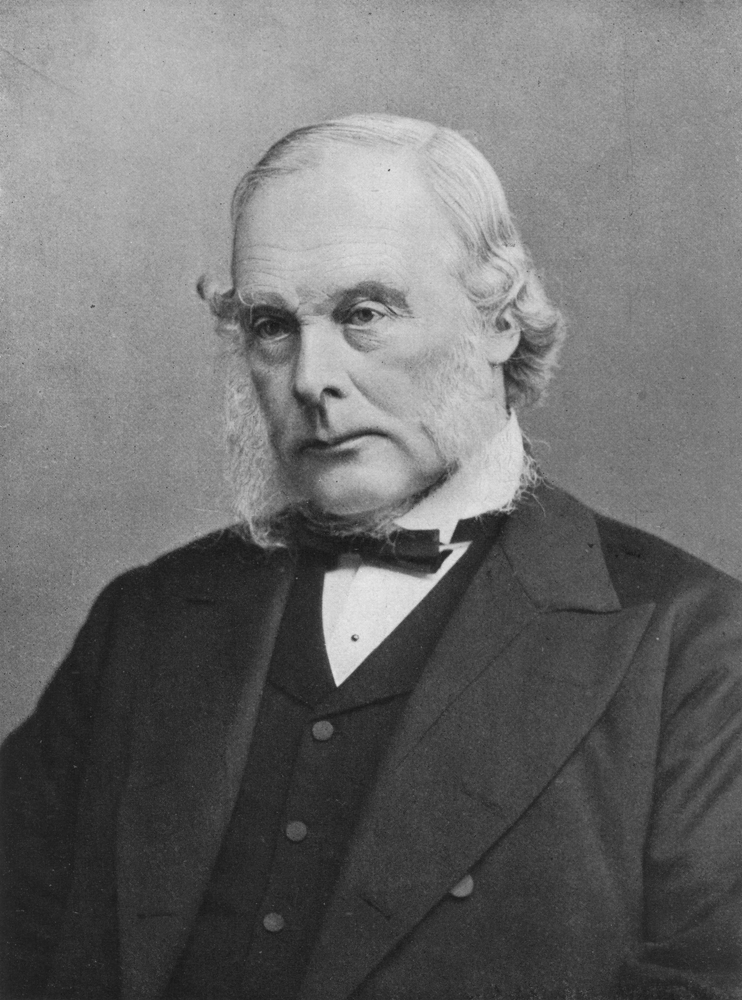
Lister recognised the antibacterial action of phenol. He also saw it as the reason why phenol suppressed odours in the sewers of Carlisle. After many experiments, some of them on himself, he introduced a new routine for surgical operations in 1865. Surgeons disinfected their hands, the surgical site and their instruments with an aqueous phenol solution. Antiseptic wound care with phenol-soaked dressings also goes back to Lister. It entered medical history as “Lister’s dressing”.
The Medical Department of the Royal Prussian Ministry of War later recommended a 2.2 % solution of phenol in water. This “carbolic water” served for hand and surface disinfection in cases of typhoid fever. Hospitals and households continued to use it as a disinfectant until fairly recently.
Coke and Tar
Meanwhile, iron production had been gathering pace since the 18th century as industrialisation advanced across Europe. Demand for charcoal rose steadily as a result. Entire regions lost most of their forests, and not only in Germany.
In England, the Darby family of ironmasters had looked far ahead. As early as 1709, Abraham Darby I (1678–1717) used England’s plentiful coal instead of charcoal to smelt iron ore. As in charcoal making, he heated the coal in the absence of air. At temperatures around +1000 °C (+1,832 °F), this produced coke suitable for the blast furnace. His son Abraham Darby II (1711–1763) refined the process from the mid-18th century onwards.
Coke-fired blast furnaces then spread across England in the second half of the 18th century. In Germany, the Upper Silesian ironworks in Malapane near Oppeln (today Ozimek near Opole, Poland) followed in 1789. However, it used coal coke only on a trial basis. In 1796, the Royal Prussian ironworks in Gleiwitz (today Gliwice) switched its blast furnaces to coke for good. In the Ruhr, the Friedrich-Wilhelms-Hütte in Mülheim first charged a blast furnace with coke in 1849. Yet in the nearby Essen coalfield, producers had been coking coal for gas since 1816.
Coal coke had now become firmly established in the iron industry and had fully replaced charcoal. At the same time, coking released ever larger quantities of phenol with the coal tar. How to put it to good use remained an open question.
They began a systematic search for a suitable application.
A Glimmer of Hope
The chemist Hermann Kolbe (1818–1884) set an important milestone with a process for synthesising salicylic acid from phenol. Jakob Friedrich Wilhelm von Heyden (1838–1926) developed this process to industrial maturity. A chemist himself, von Heyden founded the world’s first industrial pharmaceutical company in Radebeul near Dresden in 1874.
Salicylic acid is the precursor of acetylsalicylic acid (ASA), the active ingredient in aspirin. ASA reduces fever, relieves pain and inhibits inflammation. It also prevents blood platelets from clumping together. Thanks to this broad spectrum of effects, ASA remains an ingredient in many medicines to this day. Yet it would take some time before Bakelite, the first fully synthetic plastic, came into being.
Dyes from Coal Tar
In 1856, the English chemist William Henry Perkin (1838–1907) synthesised the first commercially successful synthetic dye from aniline. Like phenol, aniline is a coal tar product. The violet dye, known as mauveine or aniline purple, gave cotton and silk a brilliant colour.
In the 1860s, the chemist Johann Friedrich Wilhelm Adolf von Baeyer (1835–1917) investigated the chemical structure of indigo. He aimed to produce the blue dye of the indigo plant by chemical synthesis. This would make costly imports from India unnecessary. Indigo had been a coveted textile dye since antiquity. By 1878, von Baeyer had elucidated the chemical structure of indigo. He had also demonstrated several routes for synthesising the dye.
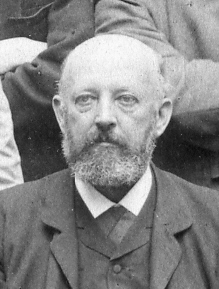
In 1882, he presented a synthesis route aimed at the chemical industry. He had developed it with his private assistant, the Dane Viggo Beutner Drewsen (1858–1930). Industrial production of synthetic indigo, however, only began in 1897 at BASF, using a different route. In 1905, von Baeyer received the Nobel Prize in Chemistry, partly in recognition of his work on dyes. Perkin’s success in obtaining a dye from tar had not escaped his notice.
Phenol and Formaldehyde: Early Experiments with Phenolic Resins
In 1871, he synthesised phenolphthalein, a triphenylmethane dye, from phenol and phthalic anhydride. However, it proved unsuitable for dyeing textiles. Reacting phenol with formaldehyde brought no success either. Formaldehyde is a reactive gas that dissolves readily in water. The Russian chemist Alexander M. Butlerov (1828–1886) first prepared it in St Petersburg in 1859. August Wilhelm Hofmann (1818–1892) later discovered how to obtain it by dehydrogenating methanol. This made larger quantities available. Yet the polycondensation of phenol and formaldehyde always yielded nothing but amber-coloured, malleable resinous masses. Von Baeyer saw no practical use for them.
Other research groups in Germany reached similar results, among them the group around Fritz Raschig (1863–1928). They worked on reacting phenol with formaldehyde until around the turn of the century. Pursuing the reaction of phenol and aldehyde any further seemed pointless.
The chemist Carl Heinrich Meyer (1873–1945) was the exception. In 1902, he still filed a patent for a phenol-formaldehyde resin as a substitute for shellac. Shellac is a natural resin secreted by lac insects and harvested in Thailand and India. Louis Blumer’s chemical factory in Zwickau, Saxony, produced and marketed the synthetic product as “Laccain”. It failed to convince, however. It was not lightfast and smelled persistently of phenol. Production was therefore soon discontinued.
L. H. Baekeland’s Decisive Step: The Discovery and Patenting of Bakelite
At around the same time, the chemist Leo Hendrik Baekeland (1863–1944) was searching for a new material. He needed a readily available, stable insulator for electrical wiring. Born in Ghent, Belgium, Baekeland had held a professorship in chemistry there. In 1889, he emigrated to the United States. There he sold his patent for a photographic printing paper to the Eastman Kodak Company. The sale earned him a considerable fortune, enough to fund his own private research laboratory.
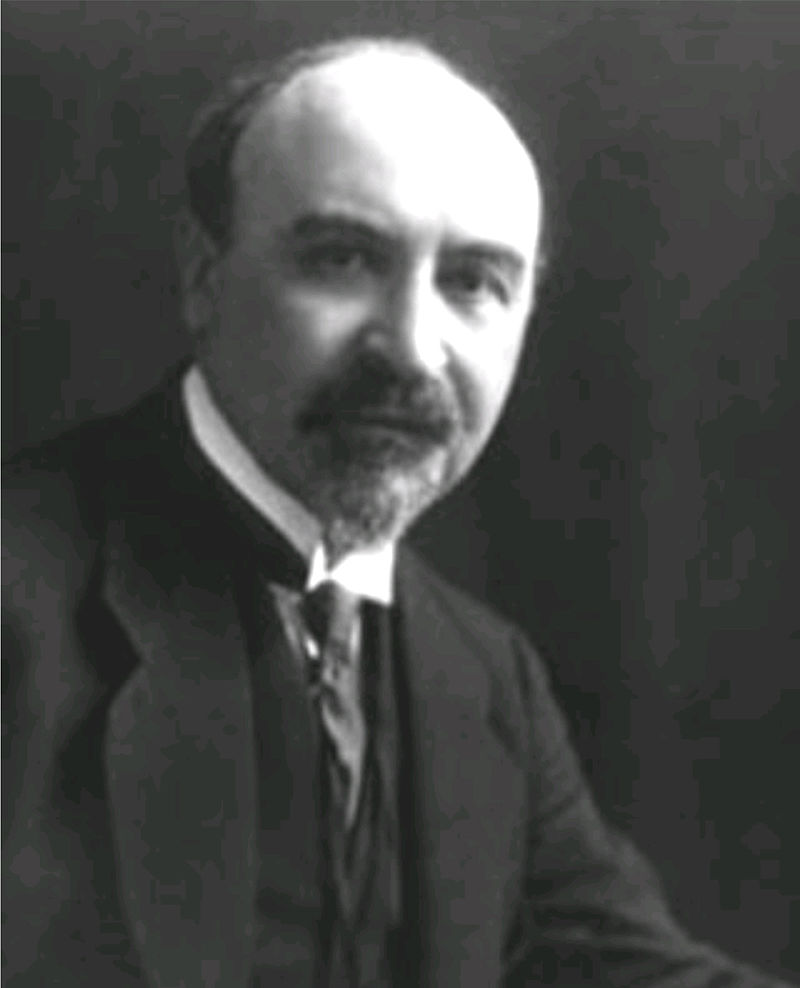
During his research, he came across many publications by European colleagues on the reaction of phenol with formaldehyde. Building on this work, Baekeland systematically varied the reaction parameters. He finally obtained a solid phenolic resin that no longer melts. The key to his success was “compression moulding”, which cures the phenolic resin with heat under high pressure. This processing technique, still in use today, densely crosslinks the resin and fixes its shape irreversibly. At the same time, the pressure prevents the water released by the condensation reaction from forming bubbles in the material.
With his patented Bakelite, he beat the English engineer and inventor James Swinburne (1858–1958) by just one day. Swinburne had applied for a patent on an equivalent phenolic resin.
What Is Bakelite?
Bakelite is a thermoset, known in German as Duroplast (from the Latin durus, “hard”). To this day, it has held its own in the wide range of plastics. Polyurethanes and epoxy resins also belong to the thermosets. Unlike many other plastics, however, Bakelite is flame-resistant and can withstand considerable thermal stress. Manufacturers usually colour it with opaque pigments. Added carbon black produces the familiar black colour.
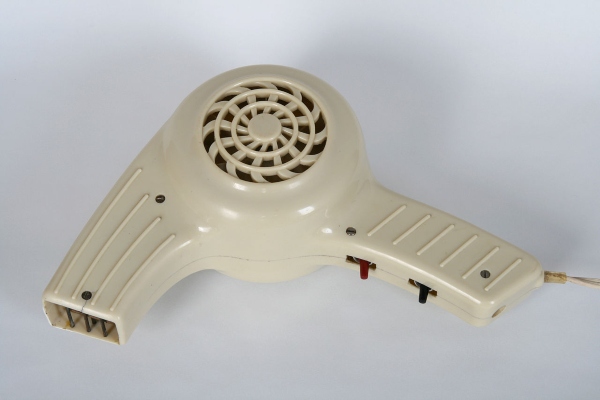
Bakelite soon found its way into handles, fittings, housings for electrical appliances, and covers for light switches and sockets. Jewellery followed, including imitation amber and ivory. Switch and socket covers, above all, are still made from Bakelite today. It offers excellent electrical insulation and high dielectric strength. Newer plastics have displaced Bakelite in many modern applications. Even so, it remains an iconic material of historical significance. Today, collectors and enthusiasts of vintage and retro objects prize it highly.
A Little More Chemistry
Put simply, phenol is a six-membered ring of carbon atoms, known as a benzene ring. Five of the carbon atoms each carry a hydrogen atom (–H). The sixth carries a hydroxyl group (–OH) instead. Further hydrogen atoms can also be replaced by –OH groups.
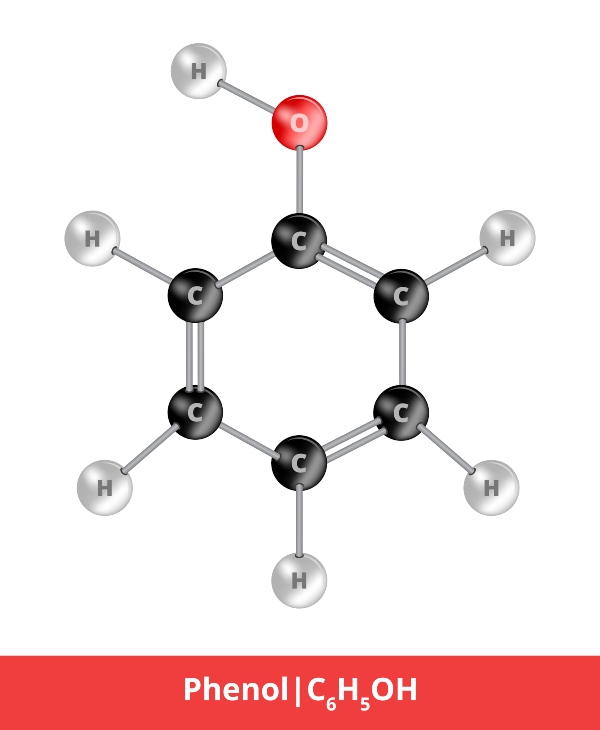
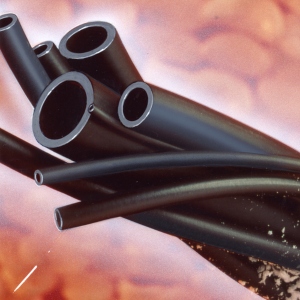
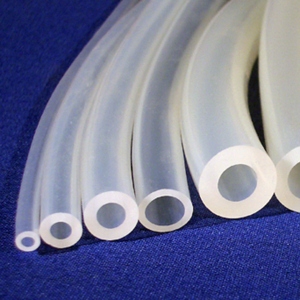
These compounds differ in the number of –OH groups and in their positions on the benzene ring. Together, they form the group of phenols. Catechol, for example, has two directly adjacent –OH groups. In resorcinol, one carbon atom separates the two –OH groups. Pyrogallol carries three adjacent –OH groups. Like “ordinary” phenol, these compounds react with formaldehyde to form polymers. The products are phenolic resins such as Bakelite, also known as phenoplasts. Plastics and elastomers can be processed into semi-finished products, hoses, fasteners, seals and other moulded parts.
… and What Came Next?
Pure phenolic resins such as Bakelite are brittle and therefore sensitive to shock and impact. Fillers such as rock flour improve their mechanical properties considerably. So does pressing them together with other materials. There are few limits to the possibilities.
Pressing synthetic resins with wood chips, mostly waste from woodworking, produces chipboard. Furniture makers and interior fitters use it widely. Most chipboard is bonded with urea-formaldehyde resin, while moisture-resistant grades use phenolic resins such as Bakelite. Incidentally, the German engineer Max Himmelheber (1904–2000) patented chipboard in 1932.
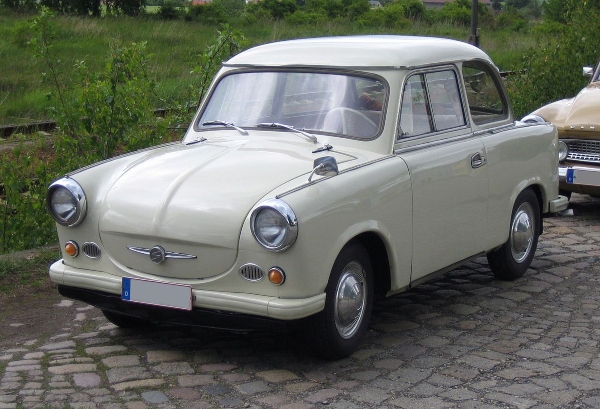
Simple printed circuit boards for electronic devices consist of paper layers pressed into boards with phenolic resins such as Bakelite. Copper foil laminated onto them forms the conductor tracks. The legendary Trabant was East Germany’s best-known small car. For its body panels, the manufacturer pressed cotton nonwovens with phenolic resins under high pressure and heat. These panels replaced the usual deep-drawn sheet steel.
Their modern successors are semi-finished fibre composites based on glass or carbon fibres and phenolic resins. Aircraft construction and space technology use them above all. Future developments will be well worth following.
Image credits:
Featured image | © Yio – stock.adobe.com
Bakelite hairdryer | © Till Niermann, CC BY-SA 3.0, https://commons.wikimedia.org/w/index.php?curid=8926813
Phenol | © petrroudny – stock.adobe.com
Trabant P50 | © burts, CC BY-SA 3.0, https://commons.wikimedia.org/w/index.php?curid=818528