 Reichelt Chemietechnik Magazine
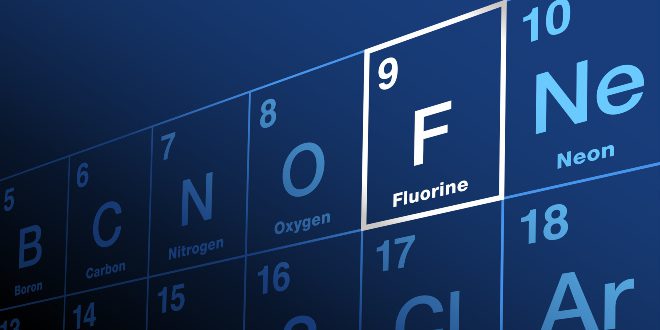
Whether as fluorides for dental prophylaxis, as a fluorine-containing mineral in aluminum production, as the fluoropolymer PTFE, or as a polyfluorinated plastic in pipes as well as in seals, hoses and semi-finished products: the element fluorine is a true all-rounder. It is therefore no surprise that this highly reactive halogen is used in a wide range of applications.
What Is Fluorine?
Fluorine is a chemical element in Group 17 of the periodic table and thus belongs to the halogens. Halogens react with metals to form salts, which is why they are also referred to as “salt formers.”
Halogens are a group of non-metals with similar properties.
Highly Reactive Molecules
Due to their electron configuration – lacking only one valence electron to complete the outer shell – halogens are highly reactive and exhibit high electronegativity.
All halogens occur in their elemental form as diatomic molecules (F2, Cl2, Br2, I2). However, the halogen–halogen bond is relatively weak and can easily be broken, which contributes to the high reactivity of this class of molecules.
Fluorine is the most electronegative and most reactive element not only among the halogens but among all elements. In all its compounds, it exhibits the oxidation state −1. The difference between fluorine and fluoride lies in the oxidation number: elemental fluorine has 0, while fluoride has −1.
Origin of the Name “Fluorine”
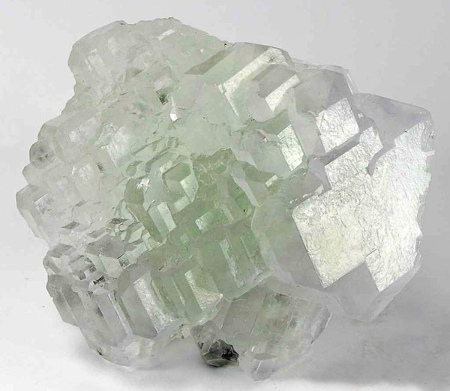
The name fluorine derives from the Latin “fluere” (to flow) and refers to fluorspar, the mining term for the naturally occurring mineral fluorite (CaF2). As early as the Middle Ages, this mineral was used as a flux to lower the melting point of ores.
Properties and Toxicity of Fluorine
Elemental fluorine is a colorless to pale yellow gas that is highly corrosive and extremely toxic. Fluorine salts, known as fluorides, are also often toxic. Their toxicity depends on water solubility; insoluble fluorides are significantly less toxic.
Skin exposure to hydrofluoric acid can lead to deep tissue necrosis and poorly healing ulcers, as the substance readily penetrates the skin. First aid in cases of skin contact involves rapid treatment with calcium gluconate gel. Once absorbed into the body, hydrofluoric acid significantly interferes with biochemical metabolic processes by inhibiting enzymes. Chronic damage to the skeleton, skin and lungs may result. Hydrofluoric acid also attacks silicate glass according to the following reaction:
SiO2 + 4 HF → SiF4 + 2 H2O
For this reason, hydrofluoric acid must not come into contact with conventional glass laboratory equipment.
Occurrence and Production of Fluorine
The most common fluorine-containing minerals are fluorite (CaF2) and fluorapatite Ca5(PO4)3F, although the latter contains only a small proportion of fluorine. Fluorite is therefore primarily used to obtain fluorine and fluorine compounds. The production of fluorine from fluorite proceeds via the formation of hydrogen fluoride:
CaF2 + H2SO4 → CaSO4 + 2HF
Hydrofluoric acid is also generated in industry as a by-product of phosphate production from fluorapatite. Hydrofluoric acid is then primarily used to produce fluorinated compounds. A smaller portion is converted electrochemically into highly reactive elemental fluorine. This enables the synthesis of compounds for which the reactivity of hydrogen fluoride alone is insufficient. Production is carried out by anodic oxidation of fluoride ions in anhydrous electrolytes:
2HF → H2 + F2
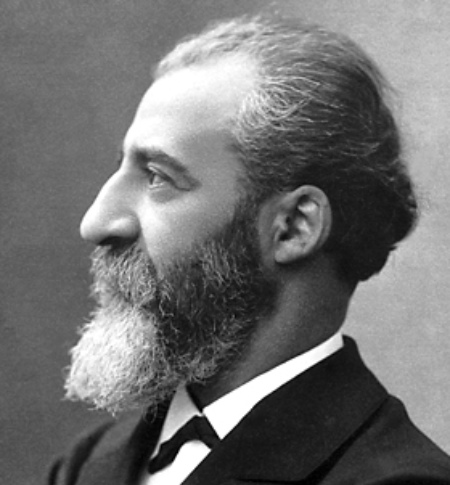
This process, developed by the French chemist Henri Moissan (1852–1907) and named after him, uses a mixture of potassium fluoride and hydrogen fluoride. This significantly increases the conductivity of the melt, as pure hydrogen fluoride itself is a poor conductor.
A historically important fluorine mineral is cryolite (Na3AlF6), which is used in aluminum production. The formerly large deposits of this mineral in Greenland have now been depleted, so the cryolite required for aluminum production is produced synthetically today.
Use of Fluorine as Elemental Fluorine and in Inorganic Fluorine Compounds
Due to its high reactivity and the associated handling challenges, elemental fluorine itself can only be used to a limited extent. It is primarily employed to produce fluorinated compounds that cannot be synthesized by other means. Of particular importance is the production of gaseous uranium hexafluoride (UF6), which is required for the enrichment of 235U using gas centrifuges. This uranium isotope plays a crucial role in nuclear fission. Sulfur hexafluoride (SF6) is another important fluorine compound produced using elemental fluorine and is used as a gaseous electrical insulator.
Further applications include the surface fluorination of plastics in order to improve their properties for various uses. Examples include improved adhesion of paints and adhesives or reduced gasoline permeability in fuel tanks. Graphite fluoride, which is used as an electrode material and dry lubricant, is also produced using elemental fluorine.
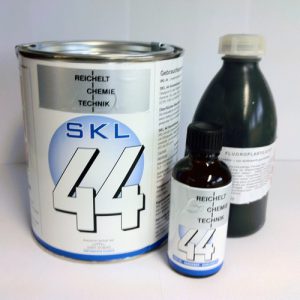
In addition to the production of elemental fluorine as well as inorganic and organic fluorine compounds as described above, hydrofluoric acid can also be used for etching and polishing in the glass industry and for oxide etching of silicon wafers in the semiconductor industry. Dental technology also uses etching gels containing hydrogen fluoride for ceramic workpieces in order to improve the adhesion properties of ceramic surfaces to other materials. Another field of application is the pickling of metals, in which unwanted oxide layers and other contaminants are removed from the surface.
Fluorine has an important influence on the formation of bones and teeth; it is particularly important for the formation of tooth enamel. In this process, the more acid-resistant fluorapatite (Ca5(PO4)3F) is formed from hydroxylapatite (Ca5(PO4)3OH). For this reason, fluorides are added to toothpaste for caries prevention. For the same reason, the fluoridation of table salt, milk or drinking water is practiced in some countries, including the United States.
Use of Fluorine in Organic Fluorine Compounds
Many organic fluorine compounds play an important role in industry, pharmaceuticals and everyday life. A prominent example is chlorofluorocarbons (CFCs), which were formerly used on a large scale as refrigerants in refrigerators and as propellants in spray cans. However, their use was significantly restricted under the Montreal Protocol, which entered into force in 1989. This was due to the fact that these compounds accelerate the depletion of ozone and thereby damage the ozone layer. As substitutes for refrigerants, low-molecular-weight fluorocarbons (HFCs), such as fluorinated derivatives of ethane and propane, can be used. These do not damage the ozone layer, but they have a high global warming potential that exceeds that of CO2 by a factor of 100 to 23,000. For this reason, efforts are also underway in this area to develop and use alternative compounds.
Higher molecular weight per- and polyfluoroalkyl substances (PFAS), such as perfluorooctanesulfonic acid (PFOS) or perfluorooctanoic acid (PFOA), are used, among other things, as cleaning agents and impregnation agents. Unlike conventional surfactants, these compounds are not only water-repellent but, due to their perfluorinated carbon chain, also repel oil, grease and other dirt particles. They are therefore used, for example, to impregnate textiles and paper. PFAS are also used in many other applications, including aviation, electroplating processes, the photographic industry and even in cosmetics.
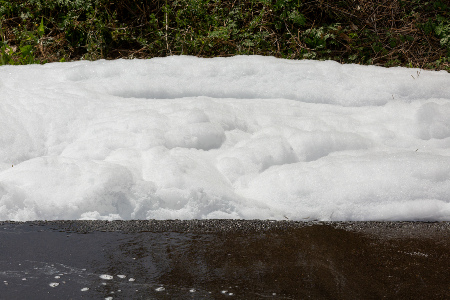
Due to their low degradability in the environment (“forever chemicals”) and their numerous health effects, PFAS are currently under critical scrutiny. They can cause cancer, impair fertility and weaken the immune system. Detectable amounts have been found in drinking water and food. These issues have led to ongoing discussions worldwide regarding restrictions and bans on PFAS.
Pharmaceuticals represent a field in which the low reactivity and high stability of the carbon–fluorine bond – which are responsible for the poor environmental degradation – are advantageous. In many cases, a hydrocarbon group is replaced by a corresponding fluorocarbon group. The carbon–fluorine bond is similar in size to a carbon–hydrogen bond, meaning that the structure of a molecule – for example, a pharmaceutical active ingredient – changes only slightly. However, unlike the carbon–hydrogen bond, the carbon–fluorine bond cannot be cleaved by enzymes in the human body. This can prevent the metabolic breakdown of drugs and thus their deactivation in the organism. Other properties, such as improved absorption in the body, can also be achieved in this way. In some cases, the stable carbon–fluorine bond is used directly as the active principle of the drug. For example, the active site of an enzyme can be blocked by the non-reactive carbon–fluorine bond, while the rest of the molecule resembles the “natural” substrate processed by the enzyme and therefore binds to it.
Use of Fluorine in Fluoroplastics
Polyfluorinated plastics are widely used both in everyday products and in industrial goods and processes. This is due to the specific material properties of this class of plastics. Owing to the stability of the carbon–fluorine bond, fluoroplastics are highly resistant to chemical influences such as acids, bases and solvents. Fluoropolymers exhibit low adhesion to almost all materials and have a low coefficient of friction. In addition, fluoroplastics offer high thermal resistance and are non-flammable.
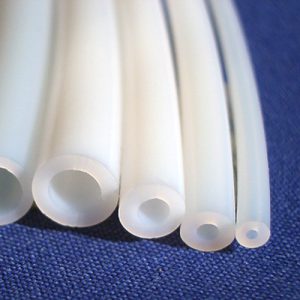
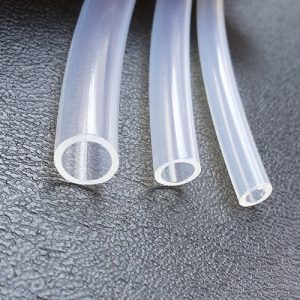
The most important and best-known representative of the fluoropolymers is polytetrafluoroethylene (PTFE), marketed under the trade name Teflon®, with a market share of 60 to 70 percent. This material is used in PTFE hoses, seals, hose connectors, semi-finished products, pumps and valves, filter membranes, heat-shrink tubing and many other applications.
This plastic is produced from chloroform by partial fluorination, initially forming chlorodifluoromethane CHClF2 and tetrafluoroethylene C2F4:
CHCl3 + 2 HF → CHClF2 + 2 HCl
2 CHClF2 → C2F4 + 2 HCl
Tetrafluoroethylene is subsequently polymerized under pressure by a radical mechanism, yielding different molecular and particle sizes depending on the conditions:
n C2F4 → –(CF2)2n–
This fluoropolymer became widely known through its use as a non-stick coating for frying pans. Nevertheless, PTFE is used in a wide variety of applications, both in households and in industry. In technical fields, it is used as a sealing material, as an electrical insulator, or – due to its high chemical stability – as a lining material for components in chemical plant construction. Semi-finished products are manufactured from PTFE powder and granulate using special pressing and sintering technologies, for example in the form of plastic sheets, PTFE films, rods or tapes. The medical field also uses this material due to its high chemical resistance and good physiological compatibility, for example for implants and other applications.

In everyday life, besides non-stick frying pans, PTFE is also known from coatings applied to various other objects. Coatings are used to achieve low friction or low adhesion, for example in garden cutting tools or razor blades, to obtain dirt- or water-repellent properties, for instance in spectacle lenses or Gore-Tex-textiles, or to achieve improved resistance to environmental influences.
In addition to PTFE, other polyfluorinated plastics also have important areas of application, such as polyvinylidene fluoride (PVDF), perfluoroalkoxy polymers (PFA, MFA) or polyvinyl fluoride (PVF). In industry, PVDF and PFA/MFA, like PTFE, are used for lining components in chemical plant engineering such as pipes, gas scrubbers, centrifuges, pumps and reactors, as well as for chemical-resistant plastic hoses, seals, valves or films, in addition to many other applications.
A disadvantage of polyfluorinated plastics is that they are not degraded in the environment. During the production of fluoroplastics, additional PFAS are used and formed, the health effects of which have not yet been fully clarified.

During the disposal of these plastics by incineration, potentially harmful fluorine compounds may be released into the environment if not properly treated under controlled industrial conditions. Excessive overheating of PTFE-coated household items, such as frying pans, can also generate harmful compounds at high temperatures. Scratching the surface, however, is considered unproblematic, as the particles pass through the body unchanged.
Image Sources:
Header image | © Peter Hermes Furian – stock.adobe.com
Fluorite (fluorspar) | © Rob Lavinsky, iRocks.com – CC-BY-SA-3.0, CC BY-SA 3.0 <https://creativecommons.org/licenses/by-sa/3.0>, via Wikimedia Commons
Chemist Henri Moissan | © sv:Generalstabens litografiska anstalt, Public domain, via Wikimedia Commons
Use of PFOS foam extinguishing agents in firefighting | © Peter Togel – stock.adobe.com
PTFE-coated frying pan | © Photosaint – stock.adobe.com