 Reichelt Chemietechnik Magazine
Sum parameters play an important role in the analysis of water samples from drinking water, surface water, groundwater, and wastewater, as well as sewage sludge. When determining sum parameters, a large number of individual substances are recorded together without listing them individually. Compared with single-substance analysis, the advantage lies in the lower analytical effort and the associated costs. Regulatory authorities use sum parameters to monitor wastewater treatment and discharge control. The chemical and petrochemical industries use them for quality control.
What Are AOX Values?
Organic fluorine compounds are not captured in the determination. AOX determination was developed in the 1970s and has since become an established parameter in routine monitoring and environmental analytics.
Organo-halogen compounds often have a density greater than 1 g/mL, which means that in the event of accidents or leakages they may sink and reach deeper groundwater zones. Many toxic and persistent substances with very different effects belong to the group of organic halogen compounds.
In many jurisdictions, environmental regulations and monitoring programs require AOX determination for wastewater streams and sewage sludge. Results are commonly reported as mg/kg dry matter (for solids such as sludge) or mg/L (for aqueous samples). Depending on the regulatory framework and application, limit values can be defined for sludge intended for land application as well as for industrial or municipal wastewater discharges. Typical domestic wastewater often shows AOX values in the range of approximately 0.05 to 0.1 mg/L.
Determining AOX Values
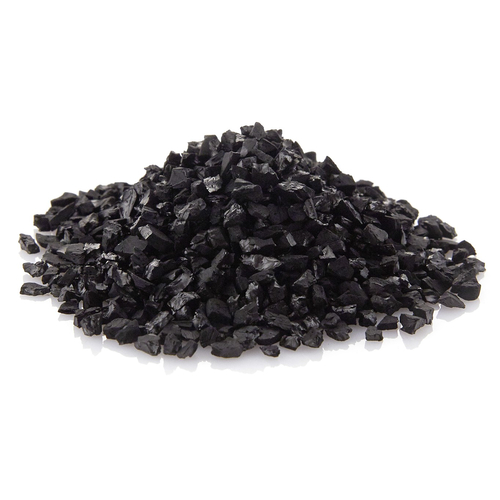
AOX measurement and sample preparation are specified in DIN EN ISO 9562. Samples can be prepared using either the shaking method or the column method. In both methods, the organic halogen compounds are adsorbed onto activated carbon granules. With the shaking method, the sample and activated carbon are shaken for a defined time and then filtered. With the column method, the aqueous sample is forced through a column filled with activated carbon.
During sample preparation, the following parameters must also be considered: pH value, inorganic chloride content, dissolved organic carbon (DOC), and the presence of oxidizing agents. For adsorption onto activated carbon to occur, the pH value should be 2 or lower. The inorganic chloride content should be less than 1 g/L, because higher chloride concentrations can lead to falsely elevated results. A DOC content higher than 10 mg/L interferes with adsorption and results in falsely low values. Oxidizing agents must be reduced beforehand using sodium sulfite.
The water formed is removed from the gas stream using concentrated sulfuric acid, and the remaining gases are passed through an acetic acid solution. The halogen content is determined by microcoulometric titration with silver ions.
What Are AOX Compounds?
Organic halogen compounds also occur in nature. To date, 2,320 naturally occurring organic chlorine compounds, 2,050 bromine compounds, 115 iodine compounds, and 34 fluorine compounds have been identified. They are produced by bacteria, fungi, plants, and animals. Synthetic AOX substances are primarily known as pollutants, for example DDT, dioxins, polychlorinated biphenyls (PCBs), or chlorofluorocarbons (CFCs). They can enter surface waters, wastewater, or air directly—for example as plant protection products from agriculture, as cleaning agents from industry and households, or when scrapping old refrigeration equipment.
Which Compounds Count as AOX?
Chlorine-Containing Organic Compounds
Most AOX compounds contain chlorine, such as dichloromethane (CH2Cl2), chloroform (CHCl3), carbon tetrachloride (CCl4), tetrachloroethylene (C2H2Cl4), chlorophenols, and chlorobenzene. They are used as solvents, extraction agents, and textile cleaning agents, and as starting materials for polymers from which, for example, plastic hoses, rubber hoses, and semi-finished products are manufactured.
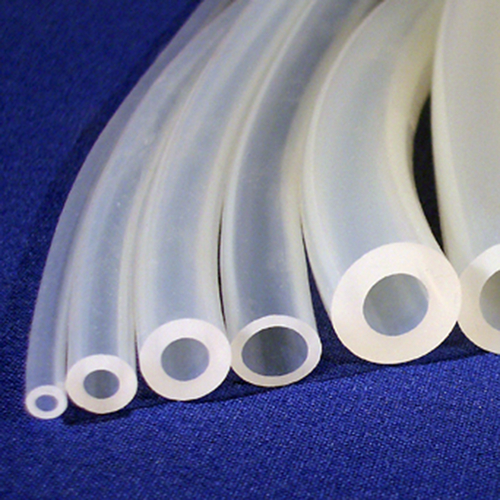
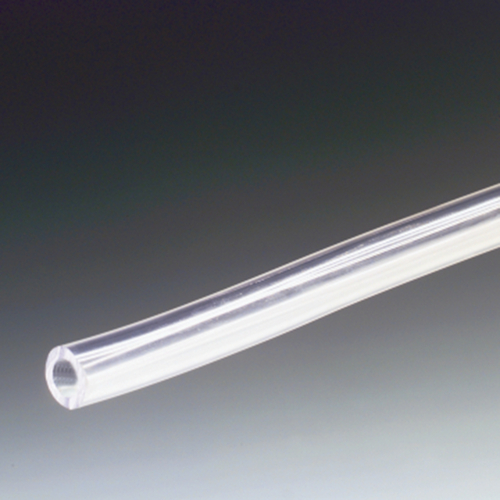
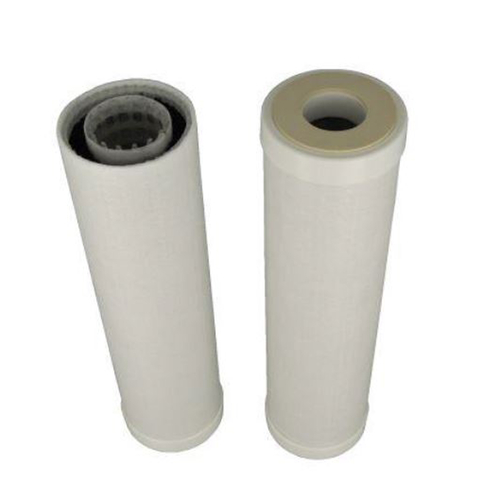
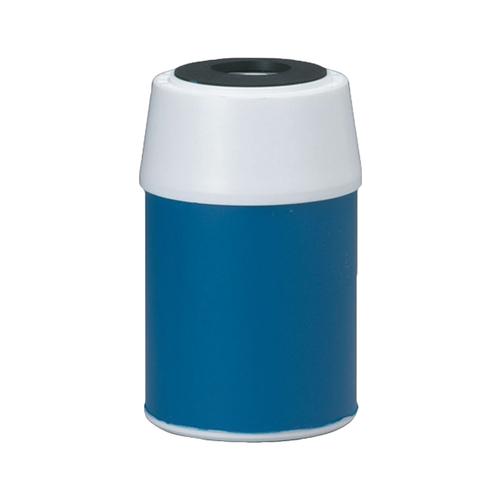
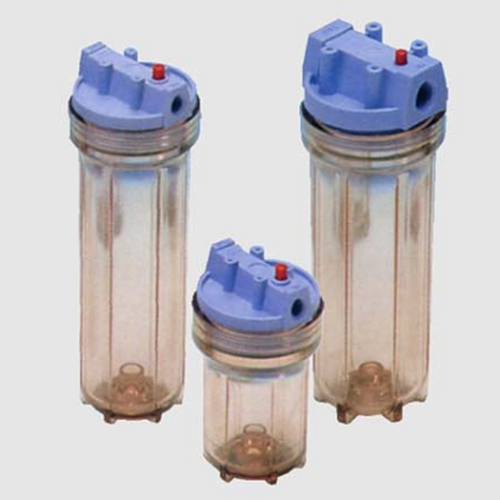
Dry-cleaning operations use tetrachloroethylene as a cleaning agent. Discharge requirements for such wastewater are typically regulated and may include specific limit values depending on the receiving system and local permits. To reduce AOX values, activated carbon filters are used in combination with filter housings or safety separators. Tetrachloroethylene has a higher density than water and settles at the bottom.
In the past, elemental chlorine was used to bleach paper, heavily burdening wastewater with organic chlorine compounds. The higher the AOX values in wastewater, the more oxygen is required to break down the chlorine compounds. To reduce AOX values, other chlorine compounds such as chlorine dioxide or hypochlorite are used for paper bleaching today, as well as oxygen-based compounds like ozone and hydrogen peroxide. For pulp, the AOX value is used in some contexts to classify bleaching processes (e.g., ECF and TCF). Depending on the process and reporting basis, AOX loads can range from higher values in chlorine-based bleaching to markedly lower values in totally chlorine-free processes.
In addition, international agreements have targeted certain persistent organic pollutants. These include substances such as DDT, specific chlorinated pesticides, polychlorinated biphenyls (PCBs), as well as dioxins and furans, which are widely recognized for their persistence and environmental impact.
Bromine-Containing Organic Compounds
Until a few years ago, organic bromine compounds were important as flame retardants. They were used in electrical and electronic devices, printed circuit boards, plastics, textiles, household appliances, and insulation materials. Over time, the use of several brominated flame retardants has been increasingly restricted in many markets because these substances are highly persistent and tend to accumulate.
Historically, methyl bromide was used as a fumigant in agriculture and horticulture, which resulted in residues in plants, accumulation in soil, and transfer into groundwater. Due to environmental and health concerns, its use has been restricted or phased out in many regions.
In medicine, the brominated compounds bromhexine and ambroxol are used as expectorant cough medicines. The anesthetic halothane contains bromine as well as fluorine and chlorine. Eosin, which has bactericidal and fungicidal effects, is used as a substitute for mercurochrome for wound disinfection and wound healing.
Iodine-Containing Organic Compounds
Organic iodine compounds are used primarily in medicine. In dentistry, iodoform (CHI3) is used as a disinfectant for wound packing with a gauze strip. The thyroid gland produces the hormone thyroxine, which contains two iodine atoms. In cases of hypothyroidism, iodine-containing thyroxine is administered. Aromatic iodine compounds are used in diagnostics as X-ray contrast agents. Wastewater from hospitals with diagnostic departments can show elevated AOX values, reflecting the presence of iodine-containing contrast media and other substances.
Criticism of the Significance of AOX Values
However, AOX values are controversial because they do not differentiate between individual halogen compounds and do not provide any statement about ecotoxicity. For this reason, further research is needed to determine which AOX compounds cause which types of damage. Nevertheless, AOX values make an important contribution to assessing surface waters, wastewater, and sewage sludge and to identifying AOX sources such as defective sewer lines or industrially stored waste. In this way, they help to prevent and avoid toxic AOX compounds.
Image Sources:
Featured image | © iamtheking33 – stock.adobe.com
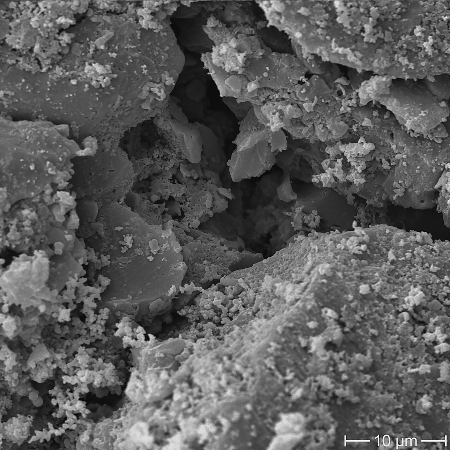
SEM image of activated carbon | © Mydriatic, CC BY-SA 3.0 <https://creativecommons.org/licenses/by-sa/3.0>, via Wikimedia Commons